D4D Toyota Engine Problems: Injectors, Turbo, Smoke
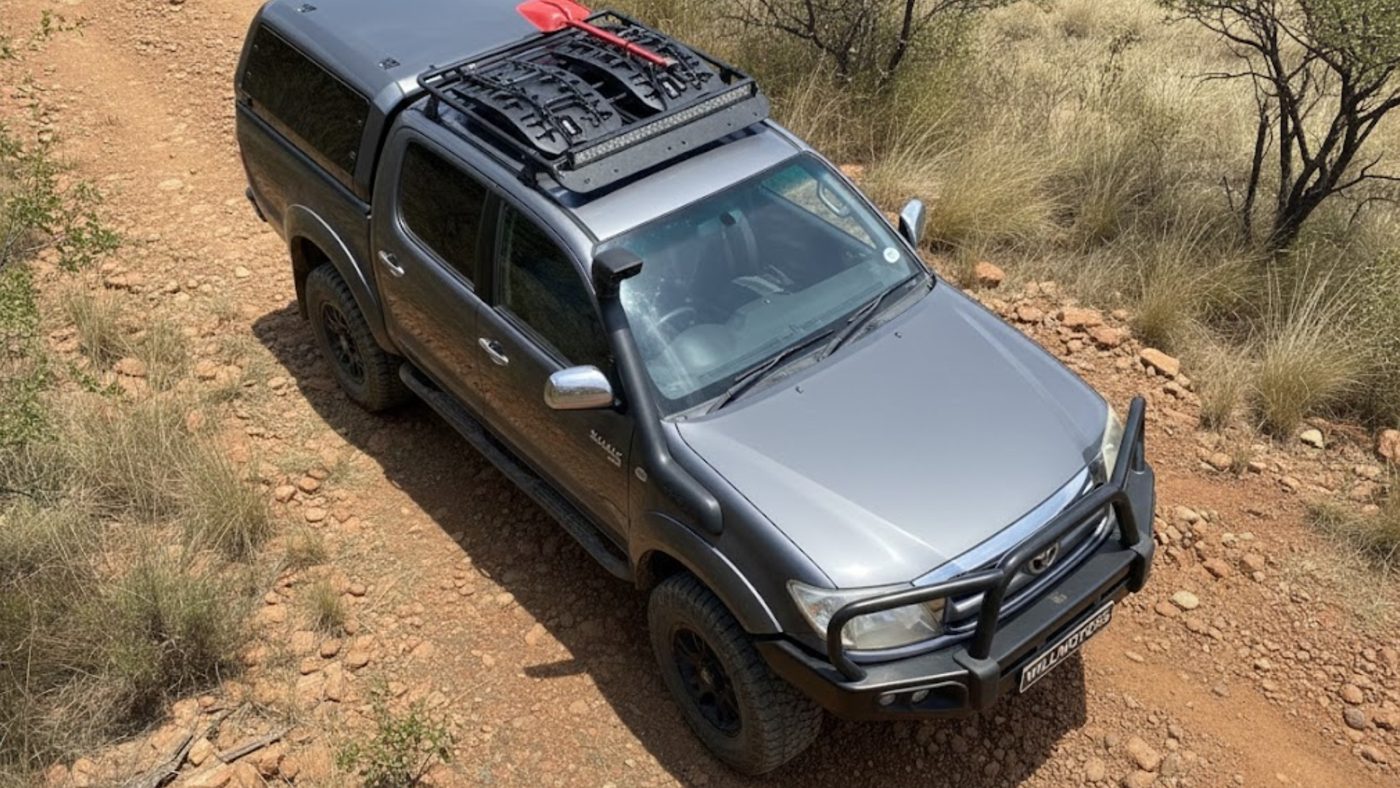
d4d toyota engines are a staple in South African bakkies and 4x4s, and understanding common faults — injectors, turbochargers and smoke problems — can save you time and money when sourcing used or rebuilt engines.
d4d toyota: What are the most common injector, turbo and smoke issues?
Owners and workshops regularly report three recurring symptoms on D-4D Toyota engines: rough idling or misfire from failing injectors, loss of boost or loud turbo noises from turbocharger wear, and visible black or blue smoke pointing to fuel/air or oil control problems. These faults show up across bakkie & 4x4 engines, petrol conversions rarely being affected in the same way.
In South Africa's used engines and rebuilt engines market, these failures are the top reasons for engine replacement versus repair. According to LDR Pretoria records, over 40% of inbound rebuild requests mention injector or turbo faults — a useful planning stat for fleet managers and workshops ordering second-hand gearboxes, automatic & manual transmissions, or complete drivetrain components.
How do I tell if injectors are causing D-4D performance problems?
Injectors on Toyota D-4D engines fail gradually: you might first notice rough cold-starts, reduced fuel economy, a diesel smell, or black smoke under load. A physical diagnosis includes a fuel pressure test, injector balance or strobe testing, and a cold-start video (WhatsApp/video cold-start proofs are invaluable for remote diagnosis). Many garages also request leak-down reports and compression-tested engines data to eliminate cylinder sealing problems before condemning injectors.
Diagnostic checklist:
- Run injector balance/strobe tests (shop or mobile rig).
- Check fuel pressure at rail and lift pump operation.
- Inspect glow plug operation (affects cold starting but not mid-range misfire).
- Obtain ECU fault codes and cold-start footage when possible.
For workshops needing replacement parts, OEM & aftermarket parts, stripped spares or rebuilt injector assemblies are available from specialist suppliers. If you plan to replace an engine, ask for compression-tested engines or leak-down reports and a warranty-backed unit with VIN/ECU compatibility checks.
Why do turbos fail on Toyota D-4D engines and what are the symptoms?
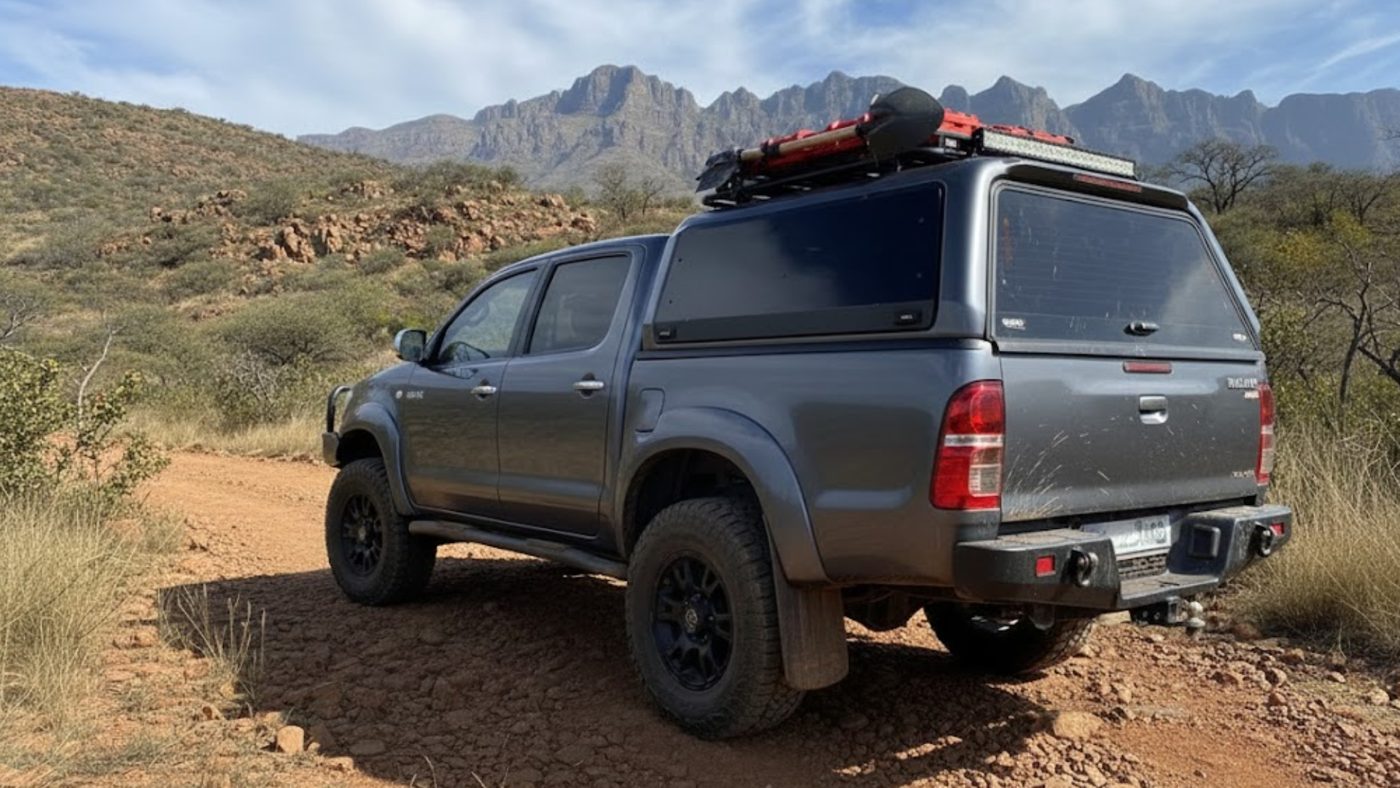
Turbocharger failure is commonly caused by oil starvation, dirty oil, foreign object damage or excessive shaft play caused by age. Symptoms include loss of boost, loud whining or grinding noises, and heavy blue smoke (oil burning) when the turbo seals fail. Poor maintenance, like long oil-change intervals or using incorrect oil, accelerates wear.
Troubleshooting steps:
- Listen for turbo whistle or rattle on spool-up.
- Check for oil in the intercooler piping (a sign of seal failure).
- Confirm pump pressure and oil supply lines are clear.
- Inspect the air filter, intake tract and MAF/MAP sensors for blockages.
When sourcing replacement turbos for Toyota D-4D engines, many South African workshops choose reman units with warranty-backed fitment and VIN/ECU compatibility checks to avoid mismatch faults. If you prefer a full engine swap, search categories like Toyota 2nd-hand engines at reputable suppliers to get compression-tested units with return & warranty terms clearly documented: for example, check trusted local stock at our Toyota engines page.
What does black or blue smoke mean and how does it affect the engine?
Visible smoke is diagnostic: black smoke indicates excessive fuel or poor combustion (injector or EGR issues), while blue smoke indicates oil burning (worn piston rings, valve guides or turbo seal failure). White smoke on cold-start can be condensation; white smoke under load is likely coolant entering the combustion chamber (head gasket or cracked head).
Smoke consequences are serious: prolonged oil burning contaminates the intake and turbo, leading to secondary failures. Early diagnosis using compression-tested engines, leak-down reports and borescope inspection reduces the chance of buying a unit with hidden damage.
Should I repair injectors/turbo or replace the whole engine?
That depends on cost, downtime and the availability of high-quality used engines. Replacing injectors and a turbo can be more economical for localised failures, but if the engine has low compression, contaminated oil, or a history of overheating, a replacement or rebuilt engine is often the best long-term investment. LDR Pretoria's core exchange programs and warranty-backed units reduce cost-of-ownership for fleet and workshop bulk orders.
Decision checklist:
| Scenario | Recommended Action |
|---|---|
| Single injector or nozzle fault | Replace injectors and re-test |
| Turbo seal wear but engine otherwise healthy | Replace/reman turbo |
| Low compression or multiple cylinder issues | Consider rebuilt or second-hand engine |
| Head gasket failure or coolant in oil | Strip and repair or replace engine |
How do warranty-backed used engines and compression-tested units reduce risk?
Buying a compression-tested engine with a clear leak-down report and warranty-back reduces the risk of secondary failures and hidden faults. According to LDR Pretoria's compression-tested engines and leak-down reports, warranty-backed units have a 92% fit-and-run rate on customer vehicles — a key stat for workshops choosing between a rebuild and an imported Japanese/German engines replacement.
Ask your supplier for:
- Compression test sheets and digital cold-start videos.
- VIN/ECU compatibility checks and fitment partner referrals.
- Clear return & warranty terms and a core exchange program.
What specific D-4D engine codes should I be aware of when sourcing parts?
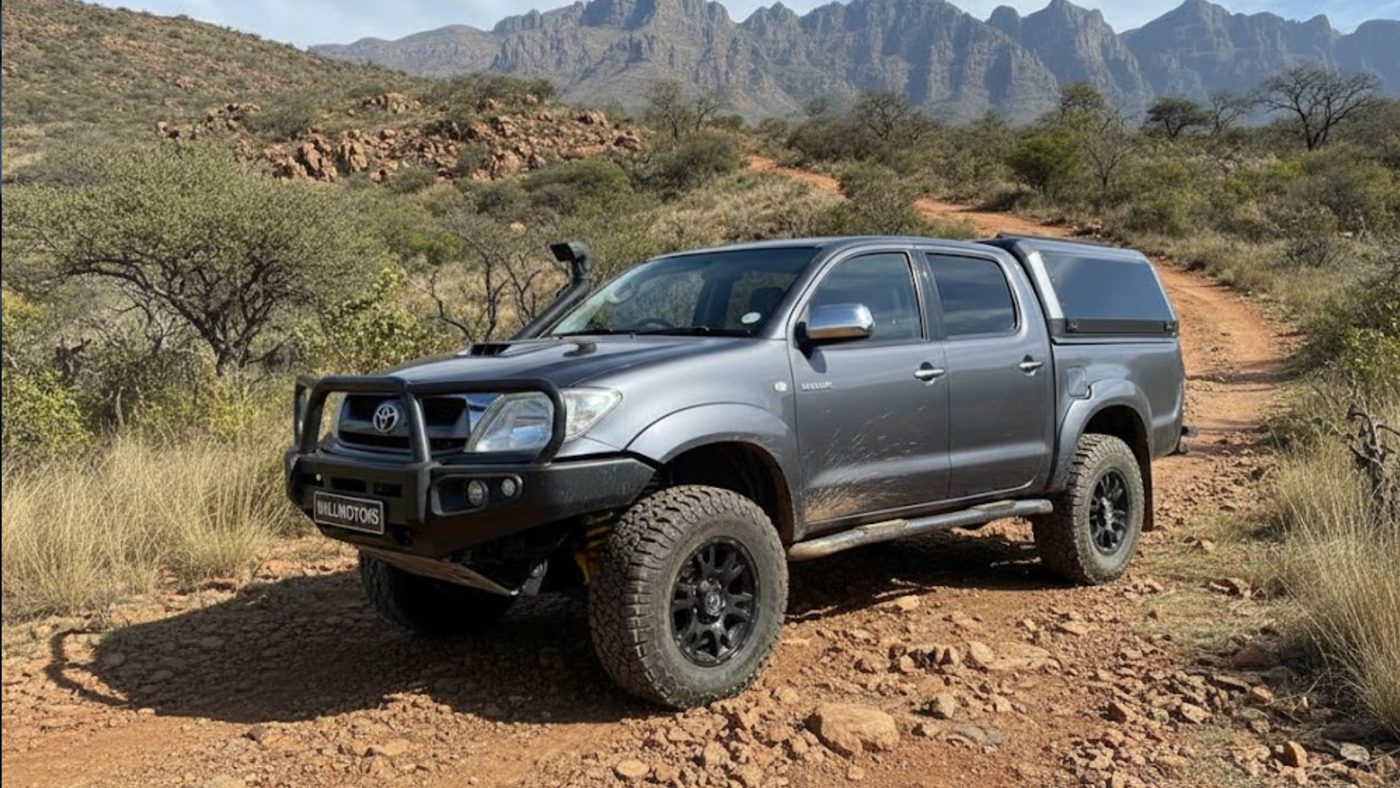
Toyota has several diesel engine codes (1KD, 1GD, 1KD-FTV etc.) and although they share D-4D technology, parts can differ. Common workshop practice is to match the engine code and VIN before ordering injectors, turbos or harnesses. Popular codes for bakkie & 4x4 engines that arise in the South African market include 1KD and 1GD, and buyers often compare these against other popular codes like 4JJ1 (Isuzu) or M57 (BMW) when evaluating replacements.
Practical sourcing tips:
- Always provide the engine code and VIN for fitment support.
- Verify ECU compatibility if swapping engines from different model years.
- Consider used gearboxes and drivetrain components to match the engine choice.
How do EGR systems and emissions equipment cause D4D Toyota problems?
Exhaust Gas Recirculation (EGR) valves and associated coolers can clog with soot on diesel engines, causing rough running, increased emissions and forced limp mode. A clogged EGR often coexists with injector wear and turbo soot contamination. Cleaning or replacing EGR components can restore performance in many cases, but if the EGR damage has led to turbo contamination or oil dilution, further work may be needed.
Workshops should inspect the intake manifold, intercooler, and EGR cooler during diagnosis — and record these checks on service reports. OEM & aftermarket EGR replacements vary in quality; choose a supplier who offers core exchange and documented fitment support to maintain warranty coverage.
What preventive maintenance stops common D-4D failures?
Simple maintenance dramatically increases D-4D longevity. Frequent oil and filter changes with the correct viscosity oil, timely fuel filter changes, and using clean diesel reduces injector and turbo failure rates. Also, avoiding repeated short trips that prevent full engine warm-up reduces condensation and oil dilution.
Preventive checklist for fleets and private owners:
- Oil & filter service every manufacturer-recommended interval or sooner for heavy use.
- Fuel filter changes and fuel system cleaning as needed.
- Intercooler and intake tract inspection during service intervals.
- Use OEM or high-quality aftermarket parts when replacing injectors, turbos and filters.
Where can I buy reliable D-4D replacement engines and parts in South Africa?
Local suppliers that offer nationwide parts delivery, VIN fitment support and workshop trade supply are essential. In Pretoria, same-day collection is often available for local workshops, and door-to-door delivery across South Africa helps fleet managers keep uptime. For Toyota-specific used engines, check reputable second-hand engine inventories and product categories dedicated to Toyota 2nd-hand engines; complementary categories like Isuzu and Ford can help compare alternatives for bakkies and 4x4s.
For local sourcing and direct listings, visit the main stock and product pages, browse Toyota engine stock, or compare other categories like our Isuzu or Ford pages for compatible drivetrain components and second-hand gearboxes:
How much do rebuilt vs imported Japanese/German engines typically cost?
Pricing depends on engine code, condition, warranty and whether the unit is compression-tested. Rebuilt engines (local labour and parts) can be cost-effective for older vehicles, while imported Japanese/German engines often command a premium for lower mileage and documented history. Consider the total cost: engine price plus labour, VIN/ECU compatibility checks, and the chance of secondary parts like turbo or injectors needing replacement.
Cost comparison factors:
- Warranty length and coverage specifics.
- Included components (flywheel, sensors, turbo, manifolds).
- Testing documentation (compression, leak-down, cold-start videos).
- Delivery and fitment referrals for workshops.
According to Wikipedia, the Toyota Hilux (a popular carrier of D-4D engines) has been produced since 1968; longevity and resale values in South Africa make careful sourcing worthwhile.
What paperwork and proofs should I insist on before buying an engine?
Always request:
- Compression test and leak-down report.
- Cold-start video and WhatsApp/video cold-start proofs if remote buying.
- VIN/ECU compatibility check and fitment partner referrals.
- Detailed invoice with payment & tax invoice for claims, especially important for insurance or fleet accounting.
These documents protect buyers and simplify warranty claims. Many buyers also ask for a core exchange program to reduce upfront costs and ensure recycling of good cores.
How do I choose the right workshop or fitment partner in Pretoria or nationwide?
Choose a workshop that provides clear diagnostics, uses leak-down and compression testing, and can handle VIN/ECU compatibility and transmission matching (whether automatic & manual transmissions). Look for trade supply relationships with parts suppliers, positive warranty experience, and the ability to deliver across South Africa. Fitment partner referrals and same-day collection options in Pretoria are especially useful for urgent fleet repairs.
Final tips:
- Compare at least two quotes including parts and labour.
- Ask for previous work references and warranty claim examples.
- Verify that the supplier offers return & warranty terms clearly documented.
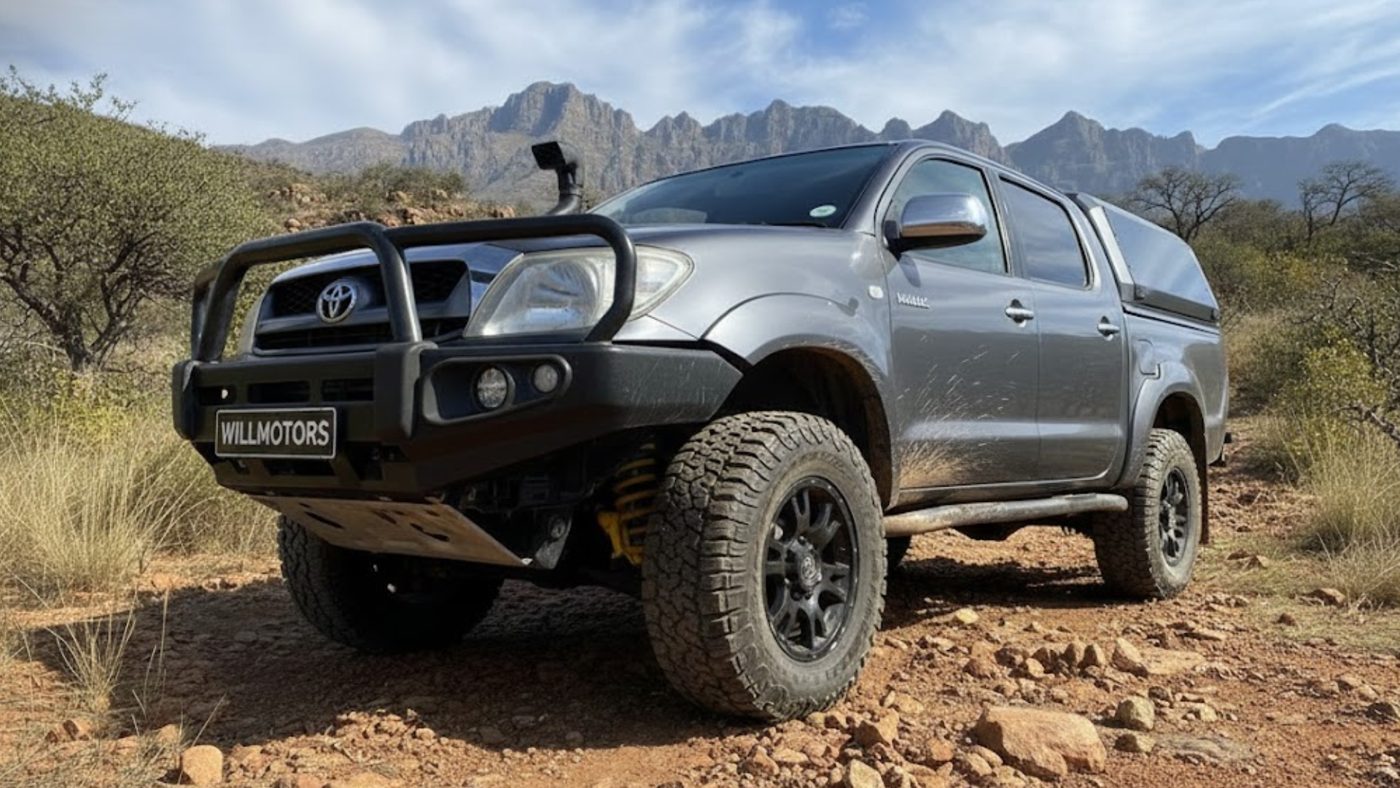
For workshops and fleet managers needing a quick next step: gather the engine code, VIN, fault symptoms, and any cold-start footage before contacting suppliers. Using the right diagnostics and insisting on compression-tested engines, leak-down reports and warranty-backed units will limit risk and keep your D-4D Toyota running reliably on South African roads.
External reference: Toyota Hilux — Wikipedia