
VR6 Engine: Why Volkswagen’s Legendary Six-Cylinder Became an Icon
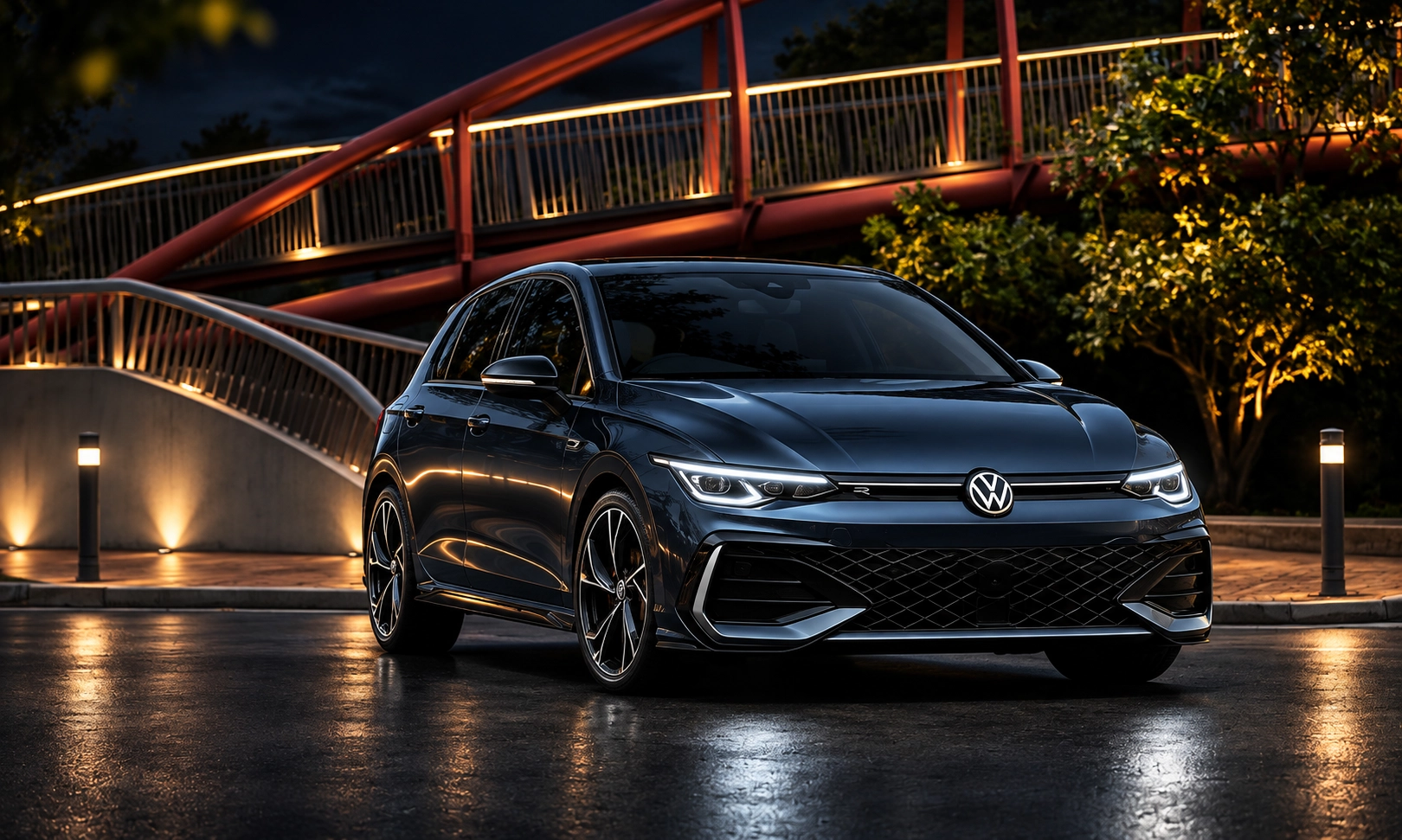
The VR6 engine stands among Volkswagen's most distinctive engineering achievements. Its unusual design, smooth performance and unmistakable sound have attracted automotive enthusiasts for decades.
Volkswagen developed the VR6 to deliver six-cylinder performance in compact vehicles. Its narrow-angle design solved a major problem that engineers faced with traditional six-cylinder engines.
The engine became famous through models like the Golf Mk3 VR6, Corrado VR6 and Golf R32. Each model helped establish the VR6 as an icon.
Volkswagen continued improving the design over several generations. The range eventually included 2.8L, 2.9L, 3.2L and 3.6L versions.
But what makes the VR6 different? Why does it sound so distinctive? What mechanical problems should owners watch for?
This article explores the VR6 engine's history, engineering, specifications and performance. It also covers common problems, reliability and maintenance.
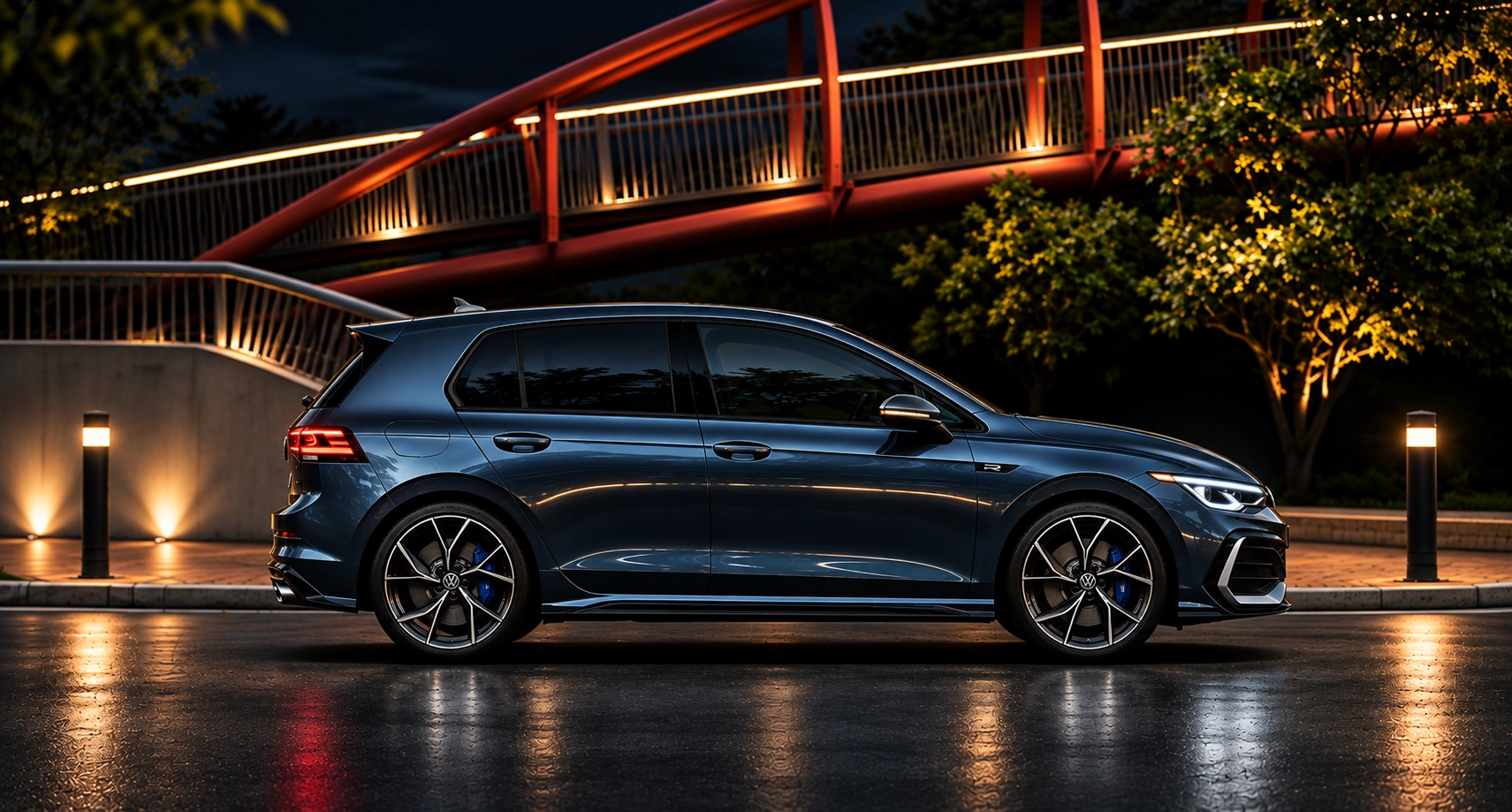
What Is a VR6 Engine?
The Volkswagen VR6 engine is a six-cylinder petrol engine with an unusual narrow-angle design.
Most conventional V6 engines position their cylinder banks approximately 60 degrees apart. The original VR6 uses an angle of just 15 degrees.
This narrow arrangement allows both cylinder banks to share a single cylinder head.
The design combines characteristics of traditional V6 and inline-six engines. It delivers six-cylinder performance without requiring the length of a conventional inline-six.
The name VR6 combines two engine design concepts.
V: Refers to the arrangement of two cylinder banks.
R: Comes from the German word "Reihenmotor", meaning inline engine.
6: Represents the six cylinders.
The VR6's compact size gave Volkswagen greater flexibility when developing performance cars.
What Makes the VR6 Design Unique?
Narrow cylinder angle: Early VR6 engines use a 15-degree configuration.
Single cylinder head: Both cylinder banks share one cylinder head.
Compact dimensions: The engine requires less space than many conventional six-cylinder designs.
Smooth performance: Six cylinders provide strong, refined power delivery.
Distinctive sound: The engine produces a recognisable six-cylinder exhaust note.
Multiple generations: Volkswagen developed several capacities and valve configurations.
These characteristics helped Volkswagen introduce six-cylinder performance into vehicles originally designed for smaller engines.
The History of the Volkswagen VR6 Engine
Volkswagen introduced the VR6 during the early 1990s. At the time, compact performance cars were becoming increasingly popular.
However, traditional six-cylinder engines created packaging challenges.
Inline-six engines required considerable length. Conventional V6 engines needed additional width.
Volkswagen solved this problem through its narrow-angle VR6 architecture.
The engine made its production debut in the Volkswagen Passat B3 in 1991. The Golf Mk3 followed in 1992.
The Golf VR6 quickly became a memorable addition to Volkswagen's performance range.
Important Milestones in VR6 History
Period | Development |
|---|---|
1991 | Volkswagen introduces the VR6 in the Passat B3. |
1992 | The Golf Mk3 VR6 brings six-cylinder performance to the compact hatchback range. |
1990s | Volkswagen expands the family with 2.8L and 2.9L versions. |
Late 1990s | New 24-valve designs improve engine performance and airflow. |
2002 | The Golf Mk4 R32 introduces the famous 3.2L VR6. |
Mid-2000s | The 3.6L VR-family engine expands the design into larger vehicles. |
The VR6 eventually appeared in several Volkswagen Group models. These included selected Golf, Passat, Corrado, Touareg and Audi vehicles.
Each generation introduced improvements while retaining the narrow-angle engine concept.
How Does the VR6 Engine Work?
The VR6 follows the same four-stroke combustion process as other petrol engines.
Air and fuel enter the cylinders. Combustion pushes the pistons downward and turns the crankshaft.
However, the engine's cylinder arrangement makes it different.
Volkswagen positioned six cylinders in two staggered banks. The narrow angle allows them to share one cylinder head.
This design reduces the engine's overall length and width.
Volkswagen could therefore install a powerful six-cylinder engine in compact models like the Golf.
VR6 vs Conventional V6 vs Inline-Six
Feature | VR6 | Conventional V6 | Inline-Six |
|---|---|---|---|
Cylinder layout | Two narrow, staggered banks | Two wider banks | One straight row |
Cylinder heads | One | Usually two | One |
Engine length | Relatively compact | Generally compact | Relatively long |
Engine width | Relatively narrow | Generally wider | Relatively narrow |
Common installation | Transverse and selected longitudinal layouts | Transverse or longitudinal | Often longitudinal |
The VR6 represents a unique solution to the challenges of installing six-cylinder engines in smaller vehicles.
Volkswagen VR6 Engine Specifications
Volkswagen produced several VR6 variants during the engine's development.
The original design featured a 2.8L capacity. Later versions introduced larger capacities and improved cylinder-head technology.
VR6 Engine Variants Compared
Engine | Displacement | Valves | Example Applications |
|---|---|---|---|
2.8L VR6 | 2,792 cc | 12 or 24 | Golf, Passat and Jetta |
2.9L VR6 | 2,861 cc | 12 | Corrado and selected Volkswagen models |
3.2L VR6 | 3,189 cc | 24 | Golf R32 and Audi TT |
3.6L VR6 | 3,597 cc | 24 | Passat, Touareg and other Volkswagen Group vehicles |
Power output varies between generations, engine codes and vehicle applications.
Buyers and mechanics should always confirm the exact engine specifications before selecting replacement components.
The Original 2.8L VR6 Engine
The 2.8L VR6 established Volkswagen's reputation for distinctive six-cylinder engines.
Early versions featured 12 valves and electronic fuel injection. The engine also used a naturally aspirated configuration.
In the Golf Mk3, the 2.8L VR6 produced approximately 174 PS.
This gave the compact hatchback considerably more performance than many smaller Volkswagen engines of that period.
Drivers appreciated its smooth acceleration and strong engine character.
Volkswagen later introduced 24-valve versions. These improvements increased airflow and supported greater power output.
The 2.9L VR6: A Performance-Focused Variant
Volkswagen also developed a larger 2.9L VR6 engine.
This version featured a capacity of 2,861 cc. It appeared in selected performance models, including the Corrado VR6.
The 2.9L engine offered greater displacement than the original 2.8L version.
Volkswagen achieved this through changes to the engine's internal dimensions and specifications.
The 2.9L VR6 remains popular among enthusiasts who appreciate classic Volkswagen performance cars.
However, the 2.8L and 2.9L engines do not share every component.
Mechanics should confirm compatibility before replacing major parts.
The 3.2L VR6 and the Legendary Golf R32
The Golf R32 remains one of the most famous vehicles to feature the VR6 engine.
Volkswagen launched the Golf Mk4 R32 in 2002. Its naturally aspirated 3.2L VR6 produced approximately 241 PS in European specification.
The R32 combined six-cylinder performance with all-wheel drive.
Its powerful engine, distinctive exhaust note and performance-focused design attracted considerable attention.
The 3.2L VR6 also appeared in selected Audi TT, Audi A3 and other Volkswagen Group models.
Why Did the R32 Become So Popular?
Its naturally aspirated six-cylinder engine delivered strong performance.
The distinctive exhaust note gave the car a recognisable character.
The 24-valve design improved engine breathing.
All-wheel drive helped deliver power to the road.
The R32 became an important part of Volkswagen's performance history.
Many enthusiasts still regard the Golf R32 as one of Volkswagen's most memorable performance hatchbacks.
The 3.6L VR6: Volkswagen's Evolving Engine Design
Volkswagen continued developing the narrow-angle design with the 3.6L VR6 family.
This engine features a displacement of approximately 3,597 cc.
Certain versions use a cylinder-bank angle of around 10.6 degrees. This makes them even narrower than the original 15-degree VR6.
Many 3.6L variants also feature FSI direct fuel injection.
Volkswagen fitted these engines to selected Passat, Touareg and other Volkswagen Group vehicles.
The larger capacity allowed Volkswagen to deliver stronger performance in heavier vehicles.
The 3.6L engine demonstrates how Volkswagen adapted the VR6 concept for different applications.
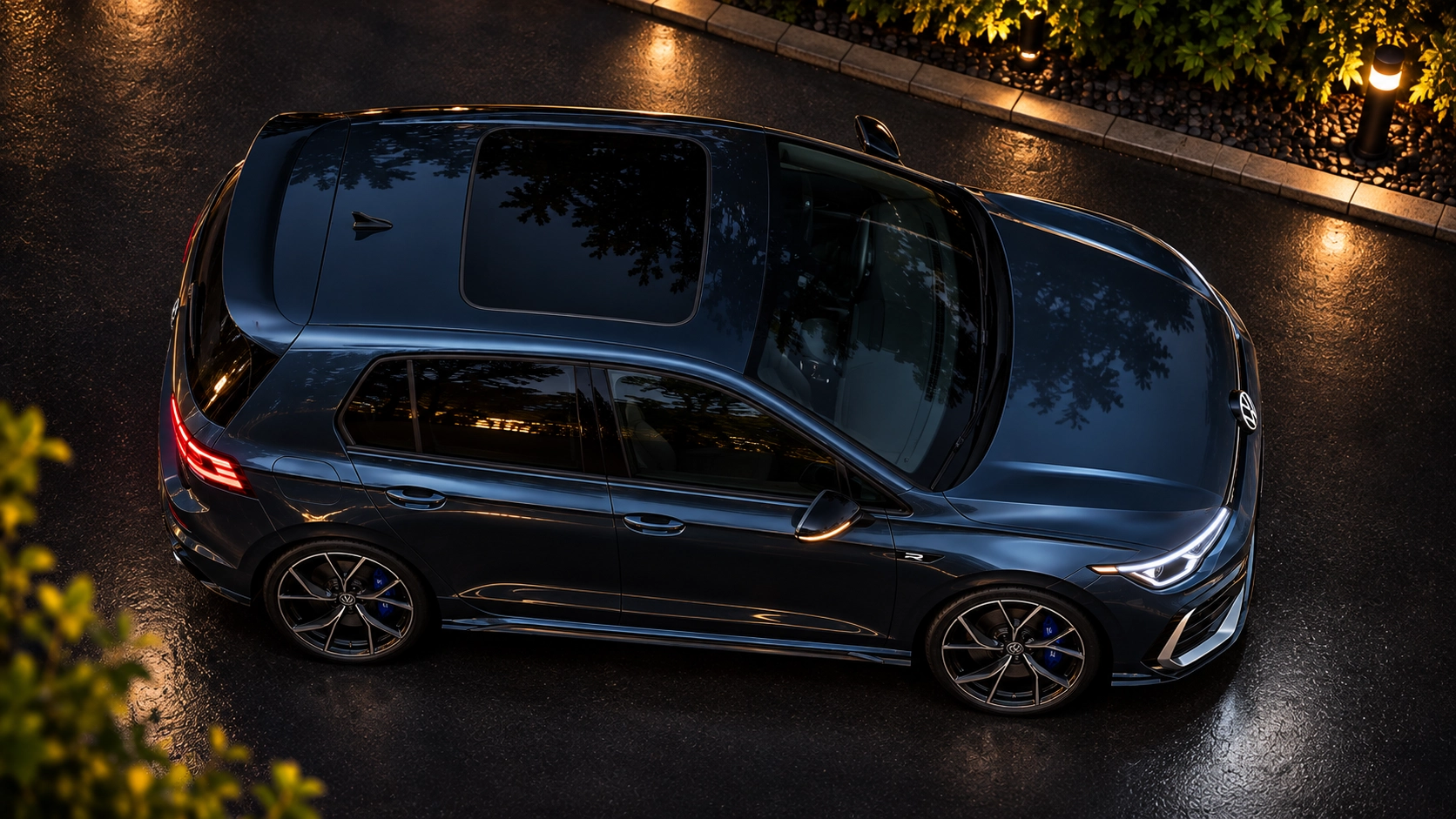
Why Does the VR6 Engine Sound So Unique?
The VR6 produces one of Volkswagen's most recognisable engine sounds.
Its six-cylinder configuration creates a deeper exhaust note than many conventional four-cylinder engines.
Enthusiasts often describe the sound as a distinctive growl.
Several factors contribute to this character.
What Influences the VR6 Sound?
Six-cylinder configuration: The engine produces a distinctive combustion and exhaust rhythm.
Narrow-angle design: The unusual engine arrangement contributes to its overall sound character.
Intake system: Airflow and intake design influence the sound under acceleration.
Exhaust system: Different Volkswagen models use different exhaust arrangements.
Engine speed: The exhaust note changes as engine revolutions increase.
The Golf Mk3 VR6 and Golf R32 helped establish this sound as a defining characteristic of Volkswagen performance cars.
Is the VR6 Engine Reliable?
The Volkswagen VR6 can deliver reliable performance with proper maintenance.
However, reliability depends on the engine's age, mileage, servicing history and operating conditions.
Older examples may develop mechanical problems as components experience wear.
The VR6 also has a relatively complex timing-chain arrangement.
Some major repairs require considerable labour because of the engine's compact design and component positioning.
Owners should therefore follow the correct maintenance schedule and investigate unusual symptoms promptly.
Common VR6 Engine Problems
Like any ageing engine, the VR6 can develop mechanical faults.
Several issues occur frequently enough to deserve attention during maintenance and inspection.
1. Timing-Chain and Tensioner Wear
Older VR6 engines can experience wear in their timing-chain systems.
The chain controls the relationship between the crankshaft and camshafts.
Over time, chain guides and tensioners may deteriorate.
Drivers may notice rattling noises during startup or unusual engine operation.
Timing-related diagnostic fault codes can also indicate problems.
A qualified mechanic should investigate these symptoms promptly.
2. Cooling-System Problems
The VR6 relies on an effective cooling system to maintain safe operating temperatures.
Older engines may develop leaks around water pumps, thermostats, hoses and plastic coolant pipes.
Age and repeated exposure to heat can weaken these components.
Common warning signs include coolant loss and rising engine temperatures.
Owners should repair cooling-system problems before overheating damages the engine.
3. Oil Leaks
Ageing gaskets and seals can develop oil leaks.
Possible leak locations include the valve cover and other engine sealing surfaces.
Owners should monitor oil levels and inspect visible leaks.
A mechanic can identify the source and recommend suitable repairs.
4. Ignition-System Faults
Faulty ignition coils or worn spark plugs can cause engine misfires.
Drivers may experience rough idling, reduced power or inconsistent acceleration.
Some vehicles may also display an engine warning light.
Electronic diagnostics can help identify ignition-related problems.
5. Intake and Vacuum Leaks
Leaks in the intake or crankcase ventilation system can affect engine performance.
Possible symptoms include unstable idling, hesitation and poor fuel-mixture control.
Mechanics should inspect the relevant hoses, connections and intake components.
6. Ageing Supporting Components
Rubber hoses, electrical connectors and engine mounts can deteriorate over time.
These problems may affect engine performance even when the internal mechanical components remain healthy.
Regular inspections help identify developing problems before they become more serious.
Why VR6 Timing-Chain Maintenance Matters
The VR6 timing-chain system plays an essential role in engine operation.
On many versions, Volkswagen positioned the timing-chain components near the transmission side of the engine.
This arrangement can make major timing-chain repairs more labour-intensive.
Timing-chain wear varies between engines.
Maintenance history, lubrication quality and operating conditions all influence component life.
Owners should never ignore unusual chain noises or timing-related warning signs.
A mechanic can inspect the system and determine whether repairs are necessary.
Essential VR6 Engine Maintenance
Regular servicing helps protect the VR6 against unnecessary mechanical wear.
Owners should monitor engine fluids, cooling-system operation and ignition components.
They should also investigate unusual noises or changes in performance.
VR6 Maintenance Checklist
Component | Maintenance Check | Importance |
|---|---|---|
Engine oil | Check oil level, condition and service history. | Reduces friction and internal wear. |
Timing-chain system | Check for rattling and timing-related faults. | Maintains correct engine timing. |
Cooling system | Inspect coolant, hoses, thermostat and water pump. | Helps prevent overheating. |
Ignition system | Inspect spark plugs and ignition components. | Supports smooth engine operation. |
Gaskets and seals | Look for oil and coolant leaks. | Helps prevent fluid loss. |
Air intake | Inspect air filters and intake connections. | Supports correct airflow. |
Engine mounts | Check vibration and rubber condition. | Supports stable engine positioning. |
Diagnostic system | Investigate warning lights and fault codes. | Helps identify developing problems. |
Service requirements differ between VR6 generations.
Owners should follow the maintenance specifications for their exact engine code.
Does the VR6 Use a Timing Belt or Timing Chain?
The VR6 engine uses a timing chain rather than a conventional rubber timing belt.
The chain synchronises the crankshaft and camshafts during engine operation.
Although timing chains can last for many years, they still experience wear.
Guides, tensioners and related components may also require replacement.
Volkswagen used different timing-chain arrangements across the VR6 family.
Mechanics should confirm the exact engine variant before ordering parts.
Is the VR6 Naturally Aspirated or Turbocharged?
Volkswagen developed its classic VR6 engines as naturally aspirated petrol engines.
Models such as the Golf Mk3 VR6 and Golf R32 did not use factory turbochargers.
Instead, these engines relied on displacement, cylinder-head design and fuel delivery to produce power.
Later developments introduced additional technologies across the broader Volkswagen narrow-angle engine family.
Engine specifications therefore depend on the exact generation and application.
Why Volkswagen Enthusiasts Still Love the VR6
The VR6 continues to attract enthusiasts decades after its introduction.
Its popularity extends beyond engine specifications and performance figures.
Iconic Volkswagen Models
The Golf Mk3 VR6, Corrado VR6 and Golf R32 occupy important places in Volkswagen performance history.
These vehicles introduced many drivers to the distinctive character of the narrow-angle six-cylinder engine.
Distinctive Engine Sound
The VR6's deep exhaust note makes it instantly recognisable to many Volkswagen enthusiasts.
Its sound remains an important part of the engine's identity.
Unusual Engineering
Volkswagen created an engine that combines features of V-type and inline configurations.
This creative approach helped solve packaging challenges in compact performance cars.
Historical Importance
The VR6 helped establish six-cylinder performance within Volkswagen's compact vehicle range.
Its legacy continues through automotive communities and classic Volkswagen collections.
What Should South African VR6 Owners Know?
The VR6 has a strong presence in South African Volkswagen enthusiast culture.
Older Golf, Jetta and other Volkswagen models continue to attract interest from mechanics and collectors.
However, owners must consider the age and condition of their engines.
Replacement components also vary between engine generations.
For example, the 2.8L 12-valve VR6 and 3.2L 24-valve VR6 use different mechanical and electronic systems.
These differences can affect parts compatibility and repair requirements.
Owners should identify the correct engine code before ordering major replacement components.
For more Volkswagen engine information, explore the LDR Pretoria Volkswagen brand guide.
When Does a VR6 Engine Need Major Repairs?
Not every unusual noise or performance problem indicates serious internal engine damage.
Ignition faults, cooling-system problems and vacuum leaks can create symptoms that resemble major mechanical failures.
However, severe overheating and internal wear may require extensive repairs.
A mechanic should investigate the cause before recommending major work.
Common VR6 Diagnostic Checks
Electronic fault-code scanning.
Engine compression testing.
Cooling-system pressure testing.
Inspection for oil and coolant leaks.
Timing-chain condition assessment.
Ignition-system diagnosis.
Fuel-system inspection.
Assessment of internal mechanical wear.
These checks help mechanics identify problems and recommend suitable repairs.
Why Correct VR6 Engine Identification Matters
Volkswagen produced several VR6 variants across different vehicle generations.
The description "VR6 engine" alone does not identify every important mechanical specification.
Owners should confirm the following details:
Exact engine code.
Engine capacity.
Production year.
12-valve or 24-valve configuration.
Fuel-injection system.
Electronic control requirements.
Transmission compatibility.
Engine mounts and accessories.
These details help mechanics identify compatible components and avoid unnecessary complications.
LDR Pretoria assists customers with Volkswagen replacement-engine enquiries and engine-code information.
Customers should confirm current stock and compatibility before making arrangements.
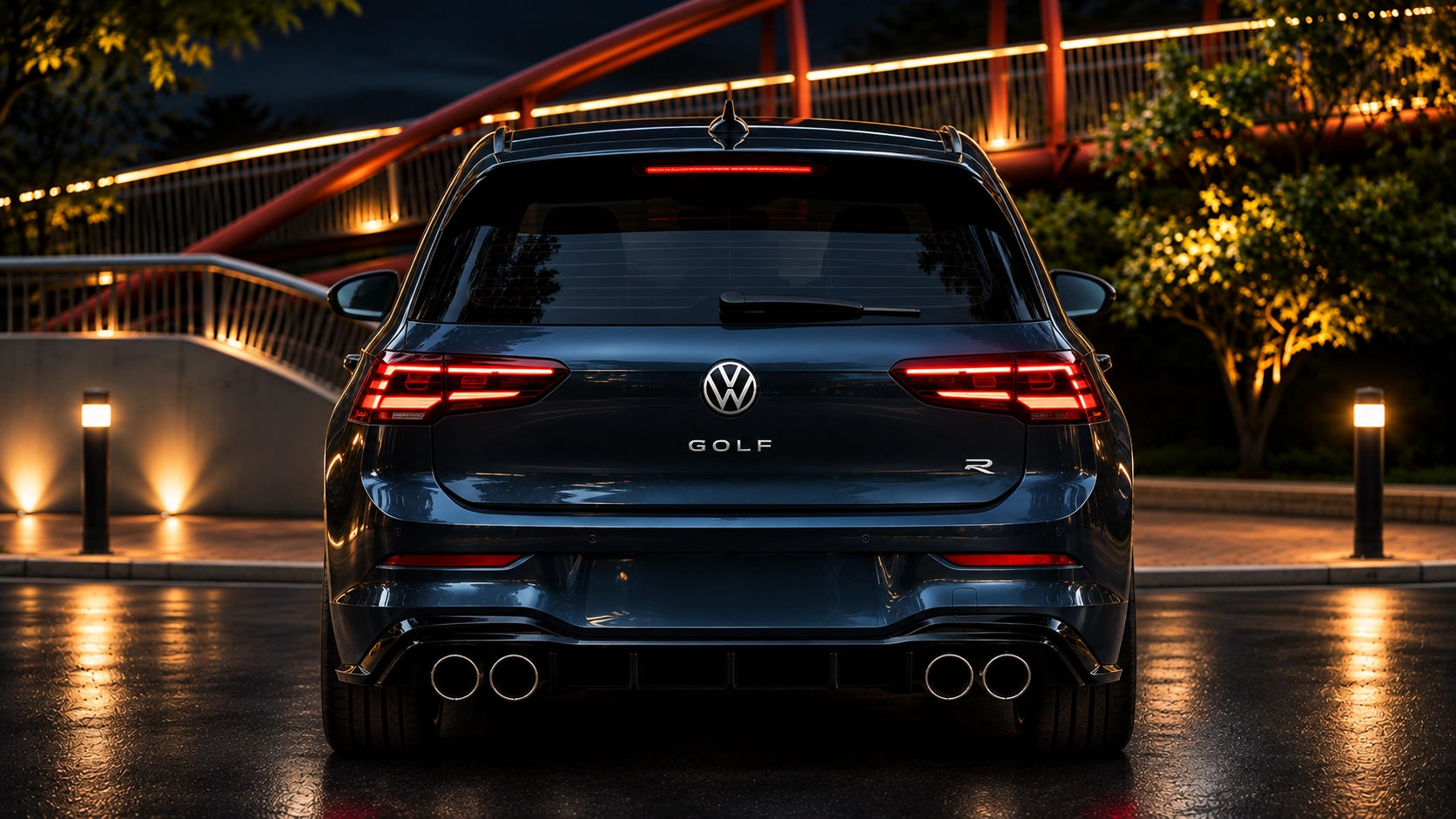
VR6 Engine Frequently Asked Questions
What does VR6 stand for?
VR6 combines the V-cylinder arrangement with the German term "Reihenmotor", meaning inline engine. The number six represents its six cylinders.
Is the VR6 a V6 or an inline-six?
The VR6 uses a narrow-angle V-type configuration. Its design combines characteristics of both conventional V6 and inline-six engines.
What makes the VR6 engine special?
Its compact design, shared cylinder head, smooth performance and distinctive sound make the VR6 unique.
What sizes does the VR6 engine come in?
Popular VR6 versions include 2.8L, 2.9L, 3.2L and 3.6L engines. Specifications vary between generations.
Does the VR6 engine have a timing belt?
No. Volkswagen VR6 engines use timing chains. However, chains, guides and tensioners can still experience wear.
What cars use a VR6 engine?
Volkswagen used VR6 engines in selected Golf, Corrado, Passat, Jetta and Touareg models. Certain Audi vehicles also featured VR-family engines.
Is the Golf R32 engine a VR6?
Yes. Volkswagen equipped the Golf Mk4 R32 and Golf Mk5 R32 with naturally aspirated 3.2L VR6 engines.
Why does the VR6 sound different?
Its six-cylinder configuration, narrow-angle design and exhaust characteristics contribute to its distinctive sound.
What are common VR6 engine problems?
Common concerns include timing-chain wear, cooling-system leaks, oil leaks, ignition faults and deteriorating components.
Can a VR6 engine last a long time?
Yes. Proper maintenance can support a long service life. Actual longevity depends on engine condition, maintenance history and operating conditions.
Are VR6 replacement engines available in South Africa?
Specialist engine suppliers may stock replacement VR6 engines. Customers should confirm the exact engine code, compatibility and current availability.
Final Thoughts: The Legacy of the VR6 Engine
The VR6 engine remains one of Volkswagen's most distinctive engineering achievements.
Its narrow-angle design allowed Volkswagen to combine six-cylinder performance with compact dimensions.
The engine evolved through several generations, from the original 2.8L versions to the powerful 3.2L R32.
Its unusual engineering, smooth performance and recognisable exhaust note helped establish its reputation among automotive enthusiasts.
Today, the VR6 remains an important part of Volkswagen's performance history.
Owners can help preserve these engines through regular maintenance, accurate fault diagnosis and proper mechanical care.
For additional Volkswagen engine information, visit the LDR Pretoria Volkswagen guide.
You can also browse the LDR Pretoria engine catalogue or contact LDR Engines Pretoria for replacement-engine enquiries.