
Toyota Tazz: Why This Legendary Hatchback Still Rules South African Roads
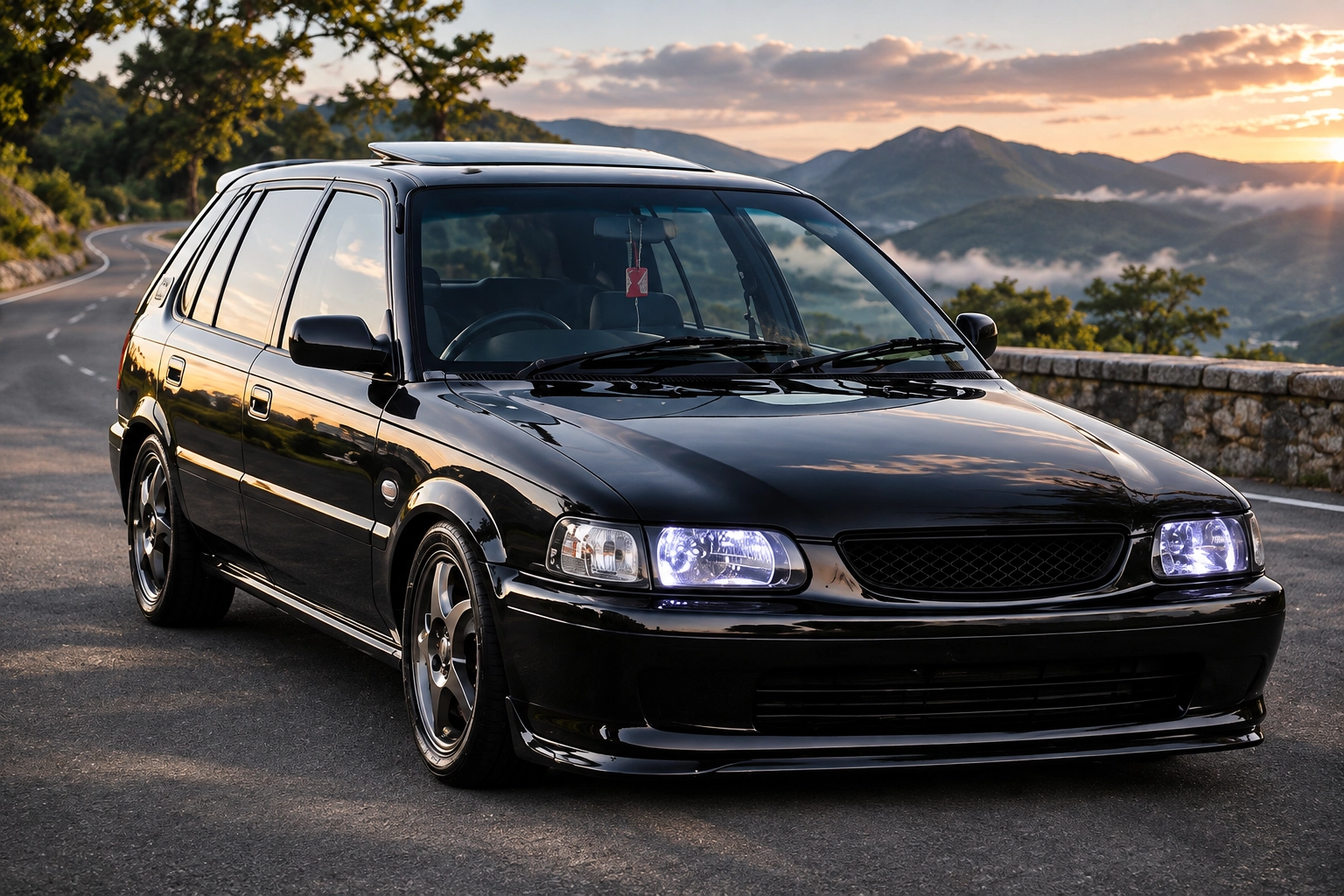
The Toyota Tazz is more than just an old hatchback. For many South Africans, it represents an era of affordable motoring, straightforward engineering and vehicles built to handle the demands of everyday driving.
From busy city streets to small towns and rural roads, the Toyota Tazz became a familiar sight throughout South Africa. Its compact dimensions, practical design and reputation for reliability helped establish it as one of the country's most recognisable vehicles.
Although Toyota stopped producing the Tazz in 2006, the model continues to attract attention from motorists, mechanics and automotive enthusiasts. Many examples remain on the road, demonstrating how proper maintenance and accessible mechanical components can extend the useful life of an older vehicle.
But what made the Toyota Tazz so successful? Why do people still appreciate it decades after its introduction? And what should owners understand about keeping these ageing vehicles mechanically sound?
This article explores the history of the Toyota Tazz, its famous 1.3 and 1.6 petrol engines, the reasons behind its popularity and the mechanical characteristics that helped establish its reputation.

The History of the Toyota Tazz in South Africa
The Toyota Tazz was introduced in South Africa in 1996 as an affordable derivative of the popular Toyota Conquest hatchback.
Rather than introducing an entirely new vehicle, Toyota continued developing the established Corolla-derived hatchback platform, making selected styling and equipment changes while retaining much of its proven mechanical design.
The original Conquest Tazz offered basic transportation at a relatively accessible price. It was designed to appeal to motorists who prioritised practicality and affordability over luxury features.
By 2000, Toyota had introduced a styling update and moved towards using the Tazz name independently of the Conquest identity.
The model continued competing in South Africa's entry-level passenger-car market until production ended on 5 July 2006.
During its production run, more than 200,000 Toyota Tazz vehicles were sold in South Africa, making it one of the country's significant automotive success stories.
Important Toyota Tazz Milestones
Year | Milestone |
|---|---|
1996 | Toyota introduces the budget-focused Conquest Tazz in South Africa. |
1999 | A five-speed manual gearbox becomes available on selected models. |
2000 | The facelifted hatchback adopts the Toyota Tazz identity. |
2001–2002 | The Tazz becomes one of South Africa's strongest-selling passenger cars. |
2003 | The range becomes focused on the 1.3-litre engine. |
2006 | Toyota ends Tazz production in South Africa. |
Its success demonstrated that an established vehicle platform could remain popular when it offered the practicality and affordability customers wanted.
Why Did the Toyota Tazz Become So Popular?
The popularity of the Toyota Tazz was not based on advanced technology, luxurious equipment or exceptional performance.
Instead, the hatchback offered qualities that mattered to everyday South African motorists.
1. Straightforward Mechanical Engineering
The Tazz used relatively uncomplicated petrol engines and conventional manual transmissions.
Compared with many modern vehicles, these systems relied on fewer advanced electronic components, making various maintenance and repair procedures more familiar to experienced mechanics.
2. Practical Everyday Transportation
Its compact body made the Tazz suitable for urban commuting, parking and general daily transportation.
The five-door hatchback layout also offered useful access to the rear seats and luggage area.
3. Established Toyota Engine Technology
The Tazz benefited from engine designs already used in other Toyota vehicles.
These established engine families helped support the model's reputation for mechanical durability when serviced and maintained correctly.
4. Familiarity Among South African Mechanics
The Toyota Tazz and related Conquest models were widely used throughout the country.
This created substantial familiarity with their mechanical systems among independent workshops and automotive technicians.
5. Replacement Parts and Mechanical Support
Various service and replacement components remain available through automotive suppliers.
While parts availability varies, the model's popularity helped establish a market for continued servicing and mechanical repairs.
What Engines Were Used in the Toyota Tazz?
The Toyota Tazz is most closely associated with two petrol engines: the 1.3-litre 2E and the 1.6-litre 4A-FE.
Both belong to established Toyota engine families, but their design and performance characteristics differ.
Toyota Tazz Engine Specifications
Specification | Toyota Tazz 1.3 | Toyota Tazz 1.6 |
|---|---|---|
Engine code | 2E | 4A-FE |
Engine capacity | 1,295 cc | 1,587 cc |
Configuration | Inline four-cylinder | Inline four-cylinder |
Fuel type | Petrol | Petrol |
Fuel delivery | Carburettor on standard applications | Electronic fuel injection |
Aspiration | Naturally aspirated | Naturally aspirated |
Timing system | Timing belt | Timing belt |
Transmission | Manual, depending on model year | Manual |
Character | Economical everyday motoring | Stronger performance |
The exact engine and transmission specifications depend on the vehicle's production year and derivative.
Toyota Tazz 1.3: The Engine That Defined the Model
The 1.3-litre Toyota 2E engine became closely associated with the Tazz's identity as an affordable everyday vehicle.
With a displacement of approximately 1.3 litres, this naturally aspirated four-cylinder petrol engine was designed around relatively simple mechanical systems.
The 2E engine uses a timing belt and, in common Tazz applications, a carburettor-based fuel system.
Its design makes maintenance areas such as ignition components, carburettor operation, cooling-system condition and timing-belt servicing particularly important.
Why Was the Toyota 2E Engine Well Suited to the Tazz?
Compact four-cylinder configuration.
Relatively straightforward mechanical design.
Suitable performance for everyday commuting.
Familiar servicing requirements.
Established Toyota engine architecture.
The 1.3-litre Tazz was never intended to be a high-performance hatchback. Its appeal came from delivering practical transportation with a simple mechanical layout.
Toyota Tazz 1.6: A Different Driving Character
Selected Toyota Tazz 160i models were equipped with the 1.6-litre 4A-FE petrol engine.
This engine has a displacement of 1,587 cc and uses electronic fuel injection and a 16-valve cylinder-head configuration.
Compared with the 1.3-litre 2E, the 4A-FE generally offers stronger performance and a more responsive driving character.
The 1.6-litre version was less common than the popular 1.3-litre Tazz, and the 1.6 option was discontinued before the end of Tazz production.
Its mechanical design is also different from the 2E, making accurate engine identification important during servicing and major repairs.
How Do the 1.3 and 1.6 Engines Compare?
The 1.3-litre 2E focuses on simple, economical motoring, while the 1.6-litre 4A-FE provides additional performance through its larger displacement and more advanced engine configuration.
Both engines can deliver long service lives when maintained correctly, but neither should be considered immune to age-related wear.
What Made the Toyota Tazz Reliable?
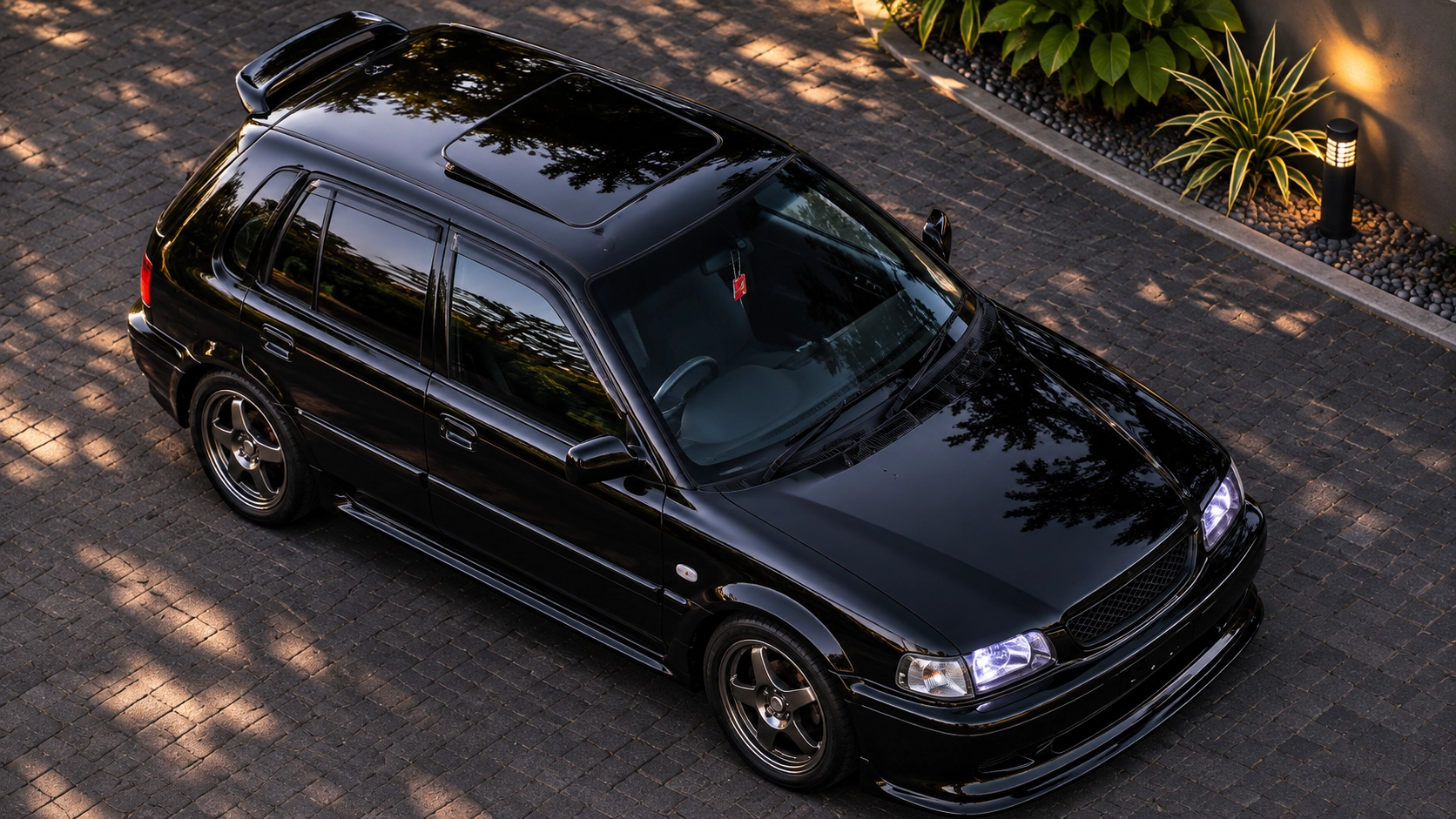
The Toyota Tazz developed a reputation for durability because of its established engineering, straightforward mechanical systems and widespread use.
However, reliability should not be confused with a lack of maintenance requirements.
Even an engine known for durability can develop serious mechanical problems if servicing is neglected.
Simple Engine Architecture
The 2E and 4A-FE are naturally aspirated petrol engines without the additional complexity of factory turbocharging.
Their conventional mechanical layouts helped make them familiar to workshops servicing older Toyota vehicles.
Established Mechanical Components
The engines use established Toyota designs rather than specialised performance-oriented configurations.
This can simplify certain maintenance procedures and parts identification.
Regular Servicing
Engine oil, filters, coolant, timing components and ignition systems remain essential to mechanical reliability.
Regular maintenance is particularly important now that every original Toyota Tazz is at least two decades old.
Common Toyota Tazz Problems as the Vehicle Ages
Although the Toyota Tazz has a reputation for reliability, age and accumulated mileage can affect any vehicle.
Owners should pay attention to changes in engine performance, cooling-system operation, oil consumption and general mechanical condition.
1. Engine Overheating
Older cooling systems can develop problems involving radiator blockage, coolant leaks, thermostats, water pumps and deteriorating hoses.
Overheating should be investigated promptly because repeated high engine temperatures can damage cylinder-head gaskets and internal engine components.
2. Oil Leaks
Rubber seals and gaskets can deteriorate as they age.
Oil leaks may develop around the valve cover, sump or other sealing surfaces.
The source of the leak should be identified rather than assuming that every oil leak requires major engine repairs.
3. Rough Idling
Rough idling can result from ignition problems, vacuum leaks, carburettor issues or fuel-delivery faults.
On fuel-injected variants, sensors and electronic controls can also contribute to running problems.
Correct diagnosis is necessary before replacing components.
4. Starting Problems
Difficulty starting may involve a weak battery, starter motor, ignition components or fuel-system faults.
Ageing electrical connections can also affect reliability.
5. Excessive Oil Consumption
High-mileage engines may consume more oil because of internal wear or external leaks.
Worn piston rings, cylinder walls or valve-related components can contribute to oil consumption.
A professional mechanical assessment can help determine the cause.
6. Timing-Belt Wear
Both the 2E and 4A-FE engines use timing belts.
Timing belts deteriorate with age and use, making replacement according to the applicable service schedule important.
When maintenance history is uncertain, a qualified mechanic should assess the timing system.
Essential Toyota Tazz Maintenance
Proper maintenance is one of the most effective ways to extend the useful life of an older Toyota Tazz.
Because these vehicles have been in service for many years, maintenance should consider both mileage and the age of mechanical components.
Component | What to Monitor | Why It Matters |
|---|---|---|
Engine oil | Oil level, condition and service history | Supports lubrication and reduces engine wear |
Cooling system | Radiator, coolant, hoses and thermostat | Helps prevent overheating |
Timing belt | Service history and replacement interval | Maintains correct engine timing |
Ignition system | Spark plugs, ignition leads and related components | Supports starting and smooth operation |
Fuel system | Carburettor or injection-system condition | Supports correct fuel delivery |
Engine mounts | Rubber deterioration and vibration | Maintains engine support and alignment |
Transmission | Gear selection, leaks and unusual noises | Helps detect developing gearbox problems |
Braking system | Brake components and hydraulic-fluid condition | Essential for road safety |
Maintenance intervals and fluid specifications should follow the requirements for the exact engine and vehicle derivative.
Why the Toyota Tazz Still Needs Proper Mechanical Care
The simplicity of the Toyota Tazz can sometimes create the impression that the vehicle requires very little maintenance.
However, even durable engines experience wear over time.
Ageing rubber components, deteriorating cooling systems, worn seals and neglected servicing can eventually affect reliability.
For older vehicles, preventative maintenance is often particularly valuable because a relatively small unresolved fault can develop into a more expensive problem.
For example, a coolant leak that is ignored may cause overheating, while insufficient lubrication can accelerate internal engine wear.
Understanding the vehicle's mechanical condition and responding to early warning signs can help avoid unnecessary damage.
Is the Toyota Tazz Still Suitable for Modern Roads?
Although many Toyota Tazz vehicles remain operational, they were designed during a different period of automotive development.
Modern passenger vehicles generally offer improved crash protection, electronic stability systems, advanced braking technology and additional driver-assistance features.
Many Toyota Tazz variants lack safety equipment that is now common in newer vehicles, including airbags and anti-lock braking systems.
Older vehicles can also develop suspension, steering, braking and structural wear that affects roadworthiness.
For this reason, keeping a Tazz mechanically sound involves more than maintaining the engine.
Regular inspections of the braking system, tyres, suspension, steering and body structure remain essential.
The Toyota Tazz and South African Car Culture
The Toyota Tazz became part of everyday life for many South Africans.
It served as a family vehicle, first car, student transport, company vehicle and practical daily commuter.
For some owners, the Tazz represents their introduction to driving. For others, it represents a familiar vehicle that provided years of service.
Its recognisable hatchback shape and connection to the earlier Toyota Conquest have also contributed to its appeal among enthusiasts of older South African vehicles.
The Tazz's continued presence on local roads reflects both its original popularity and the willingness of owners to keep these vehicles operational.
While newer cars offer more technology and safety equipment, the Toyota Tazz remains an important part of South Africa's motoring history.
Why Replacement Engine Availability Matters for Older Toyota Vehicles
As vehicles age, access to mechanical components becomes increasingly important.
Some older engines can develop significant internal wear after years of use, while others may suffer damage caused by overheating or inadequate maintenance.
In these situations, workshops may need to assess whether the original engine can be repaired or whether an appropriate replacement is required.
For the Toyota Tazz, correct identification of the 2E or 4A-FE engine is essential because the two engines have different specifications.
Similar-looking engines from other Toyota models should not automatically be considered interchangeable.
Engine mounts, fuel systems, wiring, manifolds, transmission connections and other components may differ.
LDR Pretoria's Toyota brand guide provides additional information about Toyota replacement engines and engine-code matching.
LDR Pretoria also assists customers and workshops with enquiries about imported Toyota replacement engines, subject to availability and compatibility.
What Is the Difference Between a Toyota Tazz and a Toyota Conquest?
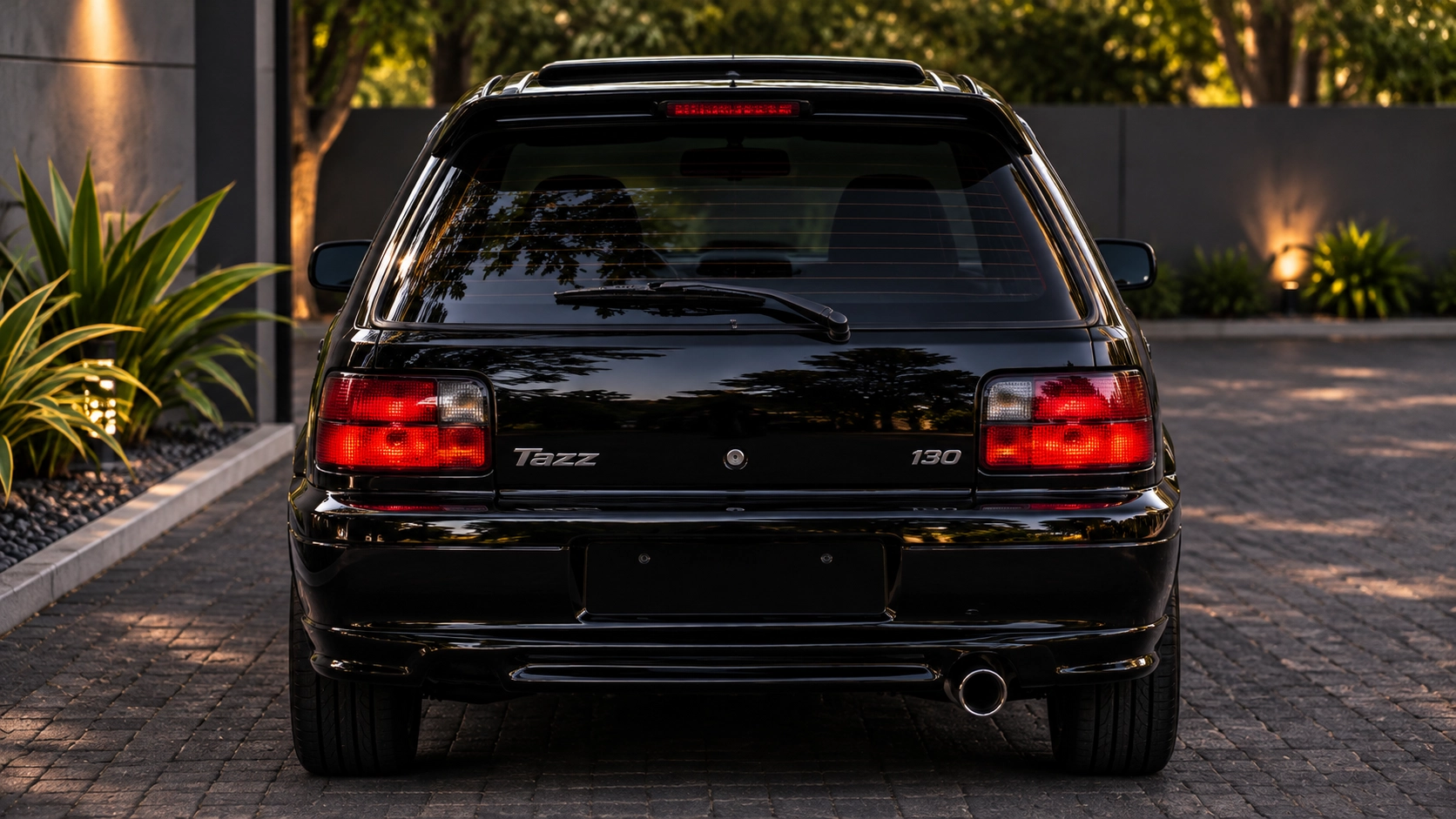
The Toyota Tazz and Toyota Conquest share a close history.
The Conquest name was used for Toyota's Corolla-derived hatchback in South Africa before the Tazz became an established model identity.
The first Tazz arrived as a lower-cost Conquest derivative in 1996.
Later updates gave the Tazz its own identity, while the underlying platform retained much of the established Conquest engineering.
Although many mechanical components are related, compatibility should still be confirmed according to the exact vehicle year, engine code and specification.
How Long Can a Toyota Tazz Engine Last?
There is no guaranteed lifespan for a Toyota Tazz engine.
Its service life depends on maintenance history, operating conditions, mileage, driving habits and the condition of its mechanical components.
A well-maintained engine may continue operating for many years, while a neglected engine can experience serious damage much earlier.
Important factors affecting engine longevity include:
Regular oil and filter changes.
Correct engine oil specifications.
Effective cooling-system maintenance.
Timely timing-belt replacement.
Proper ignition and fuel-system operation.
Prompt attention to overheating.
Early diagnosis of unusual noises or performance changes.
When major engine problems develop, a qualified mechanic should determine whether repair or replacement is mechanically and economically appropriate.
Toyota Tazz Frequently Asked Questions
When was the Toyota Tazz introduced in South Africa?
The Toyota Tazz was introduced in 1996 as an affordable derivative of the Toyota Conquest hatchback.
When did Toyota stop making the Tazz?
Toyota ended Tazz production in South Africa on 5 July 2006.
What engine does a Toyota Tazz use?
The Toyota Tazz is primarily associated with the 1.3-litre 2E petrol engine. Selected 1.6-litre models used the 4A-FE petrol engine.
Is the Toyota Tazz 1.3 fuel injected?
Common Toyota Tazz 1.3 models fitted with the 2E engine use a carburettor-based fuel system.
Does the Toyota Tazz 1.6 have fuel injection?
Yes. The Toyota Tazz 160i uses the 1.6-litre 4A-FE petrol engine with electronic fuel injection.
Does the Toyota Tazz have a timing belt or timing chain?
Both the Toyota 2E and 4A-FE engines use timing belts. The timing system should be maintained according to the relevant service specifications.
Why is the Toyota Tazz considered reliable?
The Toyota Tazz became known for its established engine technology, relatively straightforward mechanical design and practical everyday performance. Proper servicing remains essential to reliability.
Are Toyota Tazz engines still available?
Replacement Toyota 2E and 4A-FE engines may be available through automotive suppliers and engine specialists. Stock and compatibility should be confirmed with the supplier.
Can a Toyota Conquest engine fit a Toyota Tazz?
Some Toyota Conquest and Tazz models share related engine families. However, direct compatibility depends on the engine code, vehicle specifications and supporting components.
What should owners check on an ageing Toyota Tazz?
Owners should regularly assess engine oil, coolant, timing-belt history, ignition components, fuel-system operation, brakes, tyres, suspension and general roadworthiness.
Final Thoughts: The Lasting Legacy of the Toyota Tazz
The Toyota Tazz remains an important part of South African motoring history.
Its success was built on practical design, familiar mechanical systems and the ability to provide everyday transportation without unnecessary complexity.
From the popular 1.3-litre 2E engine to the more powerful 1.6-litre 4A-FE, the Tazz demonstrated how established automotive engineering could remain relevant for many years.
Although production ended in 2006, the model continues to be recognised by motorists, workshops and enthusiasts across the country.
Keeping an older Tazz on the road requires proper maintenance, attention to mechanical condition and access to suitable replacement components when needed.
For more information about Toyota engine specifications and replacement options, explore the LDR Pretoria Toyota engine guide or contact LDR Engines Pretoria for assistance with Toyota engine enquiries.