
Toyota Tazz: 10 Warning Signs Every Owner Should Know

The Tazz remains one of South Africa's most recognisable hatchbacks. Toyota built the model's reputation on practical design, simple engineering and dependable everyday transportation. Even though production ended in 2006, many Toyota Tazz vehicles continue to serve their owners across the country.
However, reliability does not mean a vehicle can operate indefinitely without maintenance. As the years pass, engine components experience wear, rubber seals deteriorate and mechanical problems become more likely. Even a well-maintained Toyota Tazz can develop faults that affect its performance and dependability.
Understanding the early warning signs can help owners identify problems before they become expensive repairs. For example, a small coolant leak may eventually cause overheating, while neglected oil consumption can increase internal engine wear. These problems often begin with symptoms that drivers can recognise.
This article explores ten common Toyota Tazz problems, their possible causes and the signs owners should watch for. It also explains essential maintenance practices, engine specifications and when professional mechanical attention becomes necessary.
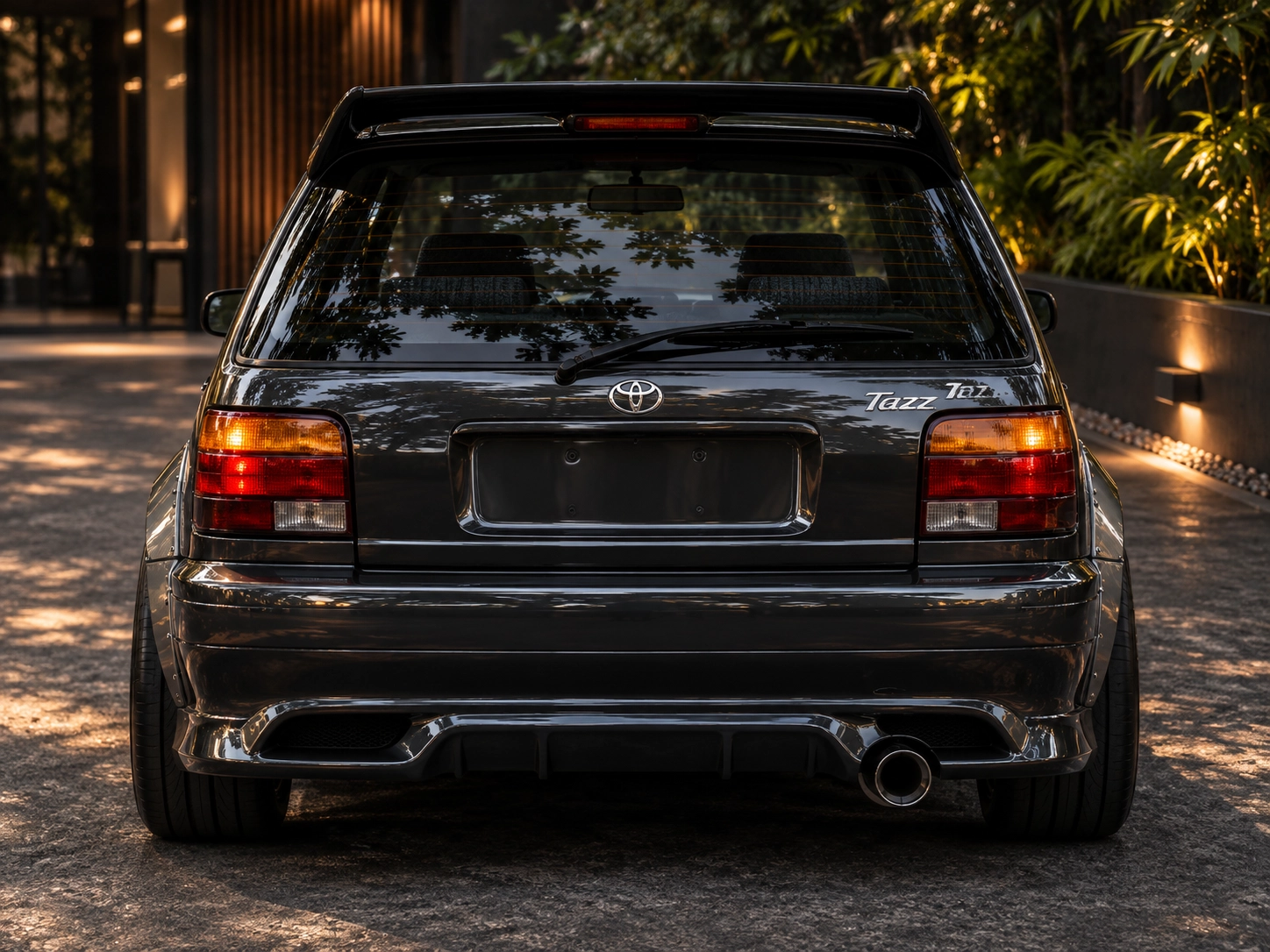
Why Is the Toyota Tazz Still Popular in South Africa?
Toyota introduced the Tazz in South Africa in 1996 as part of its established Conquest hatchback range. The vehicle offered an affordable alternative to newer models while retaining familiar Toyota mechanical systems. Its compact dimensions and practical interior made it suitable for commuting, family transport and everyday driving.
The Tazz attracted motorists who valued simplicity over luxury features. Its relatively uncomplicated engines and manual transmissions also made the vehicle familiar to many independent automotive workshops. This familiarity contributed to the model's long-standing reputation for practical ownership.
When Toyota discontinued the Tazz in 2006, the hatchback had already established itself as an important part of South African motoring history. Today, its continued presence on local roads reflects both the popularity of the original model and the efforts of owners who maintain these older vehicles.
Nevertheless, every surviving Tazz now requires particular attention to age-related mechanical wear. Understanding its engine design and common maintenance needs can help owners make informed decisions about repairs.
Understanding the Toyota Tazz 1.3 and 1.6 Engines
The Toyota Tazz is most closely associated with the 1.3-litre 2E petrol engine. This naturally aspirated four-cylinder engine uses a relatively straightforward mechanical design. Common South African versions rely on a carburettor for fuel delivery, making their servicing requirements different from those of many modern vehicles.
Toyota also offered selected Tazz 160i models with the larger 1.6-litre 4A-FE engine. This version uses electronic fuel injection and a 16-valve cylinder head. The additional displacement provides stronger performance, although maintenance and mechanical condition remain important for both engines.
The 2E and 4A-FE belong to different Toyota engine families. Therefore, owners should not assume that components from one engine will fit the other. Accurate engine identification becomes especially important during major repairs.
Toyota Tazz Engine Specifications
Specification | Toyota Tazz 1.3 | Toyota Tazz 1.6 |
|---|---|---|
Engine code | 2E | 4A-FE |
Engine capacity | Approximately 1.3 litres | Approximately 1.6 litres |
Configuration | Inline four-cylinder | Inline four-cylinder |
Valve configuration | 12 valves | 16 valves |
Fuel system | Carburettor on common models | Electronic fuel injection |
Aspiration | Naturally aspirated | Naturally aspirated |
Timing system | Timing belt | Timing belt |
These differences explain why engine-specific servicing and replacement components matter. A mechanic should confirm the original engine code before ordering major parts or recommending a replacement engine.
For more information about Toyota engine families, visit the LDR Pretoria Toyota brand guide.
What Are the Early Warning Signs of Toyota Tazz Problems?
Mechanical problems rarely affect every vehicle in the same way. Some faults develop gradually, while others appear without much warning. Changes in starting performance, engine temperature and driving behaviour can provide valuable clues about a vehicle's condition.
Owners should pay particular attention to the following warning signs:
Unexpected temperature increases: May indicate a cooling-system problem.
Oil stains or falling oil levels: May suggest leaks or excessive oil consumption.
Rough idling or difficult starting: Can indicate ignition, fuel-system or electrical faults.
Reduced performance: May result from fuel-delivery problems or mechanical wear.
Unusual engine or gearbox noises: Should receive professional attention, especially when persistent.
These symptoms do not automatically mean that the engine has suffered major damage. However, early diagnosis often provides more repair options than waiting until a fault becomes severe.
10 Common Toyota Tazz Problems Explained
1. Toyota Tazz Engine Overheating
Engine overheating is one of the most important warning signs for any older Toyota Tazz. The cooling system manages engine temperature through the radiator, water pump, thermostat and coolant circulation. When these components stop working correctly, temperatures may rise beyond the normal operating range.
Ageing coolant hoses can develop leaks, while radiators may suffer from internal restrictions or corrosion. A faulty thermostat can also affect coolant circulation. These problems may cause the temperature gauge to rise, especially during heavy traffic or prolonged driving.
Overheating requires prompt attention because excessive heat can damage the cylinder-head gasket and other internal components. If the engine overheats, the driver should stop safely and switch it off. The cooling system must cool before a qualified person inspects it. Never open a hot radiator or pressure cap.
2. Oil Leaks and Excessive Oil Consumption
Oil leaks commonly develop as engines age and their seals deteriorate. The Toyota 2E and 4A-FE contain several gaskets and sealing surfaces that prevent engine oil from escaping. Years of heat exposure and normal operation can weaken these components.
Owners may notice dark stains beneath the vehicle or oily residue around the engine. A damaged valve-cover gasket, sump seal or crankshaft seal may cause an external leak. Meanwhile, excessive oil consumption can sometimes indicate internal wear involving piston rings or valve-related components.
Not every oil leak requires major engine repairs. However, continued oil loss can reduce lubrication and increase internal wear. A mechanic should identify the source of the problem and determine whether a seal, gasket or internal component requires attention.
3. Difficulty Starting the Engine
A Toyota Tazz that struggles to start may have an electrical, ignition or fuel-delivery problem. The exact cause depends on the symptoms. For example, a weak battery may prevent the starter motor from operating correctly, while poor electrical connections can interrupt the starting process.
If the starter turns the engine normally but combustion does not begin, the problem may involve ignition or fuel delivery. Worn spark plugs and faulty ignition components can affect starting performance. On common 1.3-litre models, carburettor condition may also play a role.
Owners should pay attention to whether the problem occurs during cold starts, hot starts or both. This information helps mechanics narrow down possible causes. Proper diagnosis can also prevent unnecessary replacement of components that still function correctly.
4. Rough Idling and Excessive Engine Vibration
A healthy Toyota Tazz should maintain a reasonably consistent idle after reaching normal operating temperature. However, ageing engine components can cause unstable engine speed, rough running or occasional stalling. These symptoms may become more noticeable when the vehicle stops at traffic lights.
Ignition problems can interrupt normal combustion, while vacuum leaks may affect the fuel mixture. Carburettor adjustment and fuel delivery also influence idle quality on the 2E engine. The fuel-injected 4A-FE uses different components to manage engine operation.
Excessive vibration may also come from deteriorating engine mounts rather than an internal engine fault. A mechanic should assess the symptoms before recommending repairs. Identifying the cause helps distinguish minor maintenance issues from more serious problems.
5. Increased Fuel Consumption
Fuel consumption naturally changes with traffic, driving habits and road conditions. However, a sudden or persistent increase may indicate a maintenance problem. Owners who monitor their fuel usage can often recognise unusual changes before other symptoms appear.
Dirty air filters may restrict airflow, while worn spark plugs can affect combustion. Incorrect carburettor adjustment may also influence fuel consumption on applicable Tazz models. In some cases, low tyre pressure or dragging brakes can increase the effort required to move the vehicle.
Regular servicing helps maintain efficient engine operation. When fuel consumption changes unexpectedly, a mechanic should inspect the relevant mechanical systems rather than immediately assuming the engine has developed internal damage.
6. Loss of Engine Power
Reduced acceleration can make a Toyota Tazz feel noticeably different during everyday driving. The vehicle may struggle on hills, hesitate when accelerating or respond more slowly than usual. These symptoms can develop gradually as mechanical components experience wear.
Restricted fuel delivery may limit engine performance, while ignition problems can reduce combustion efficiency. A dirty air filter or exhaust restriction may also affect power. More serious mechanical problems can involve low cylinder compression or incorrect engine timing.
However, reduced performance does not automatically mean that the engine requires rebuilding. Mechanics should investigate simpler causes before assessing internal components. Compression testing may help determine engine condition when other systems appear to operate correctly.
7. Unusual Exhaust Smoke
Changes in exhaust appearance can provide useful information about engine condition. However, smoke colour alone cannot identify the exact mechanical fault. A proper diagnosis must consider how long the smoke lasts and whether other symptoms occur.
Blue smoke may suggest that engine oil is entering the combustion chambers. Persistent thick white smoke can indicate coolant entering the combustion process, while black smoke may point towards an excessively rich fuel mixture. Light vapour during a cold start may simply result from condensation.
Owners should arrange a mechanical inspection when unusual smoke continues after the engine warms up. Depending on the symptoms, a workshop may assess cylinder compression, coolant condition or fuel-system operation. These checks help identify the problem before major repairs begin.
8. Unusual Engine Noises
New rattling, ticking or knocking sounds can indicate developing mechanical problems. Some noises originate from relatively simple faults, such as loose components or exhaust leaks. Others may involve internal wear or lubrication problems.
For example, incorrect valve clearance can produce ticking sounds, while low oil pressure may affect internal lubrication. The exact sound and operating conditions often provide important diagnostic clues. A noise during a cold start may have a different cause from one that appears under acceleration.
Owners should never ignore persistent knocking or severe mechanical noise. A professional inspection can help identify the source and determine whether the vehicle needs immediate repairs. Continuing to operate an engine with a serious fault may cause further damage.
9. Toyota Tazz Gearbox and Clutch Problems
Most South African Toyota Tazz models use manual transmissions. Although these gearboxes have relatively straightforward designs, their components can wear after years of operation. Owners may notice difficult gear selection, grinding noises or changes in clutch behaviour.
A worn clutch can cause slipping during acceleration, while linkage problems may affect gear selection. Internal gearbox wear or insufficient lubrication can also create unusual noises. However, similar symptoms can come from different components.
Before recommending a replacement gearbox, a mechanic should inspect the clutch, linkage and transmission. Some problems require relatively minor repairs, while extensive internal damage may need more significant work. LDR Pretoria also supplies replacement gearboxes for selected vehicle applications.
10. Suspension, Steering and Braking Problems
The Toyota Tazz engine receives considerable attention, but other mechanical systems also affect reliability and safety. Suspension, steering and braking components experience wear as vehicles age. These systems require regular inspection, even when the engine operates correctly.
Worn shock absorbers may reduce ride control, while deteriorating suspension bushes can create noises over uneven roads. Steering components may develop excessive play. Meanwhile, braking problems can appear through vibration, unusual sounds or reduced braking performance.
These symptoms require prompt professional attention because they directly affect road safety. A mechanic can identify worn components and recommend suitable repairs. Owners should avoid driving a vehicle with unsafe steering or braking performance.

Which Toyota Tazz Problems Need the Most Urgent Attention?
Some mechanical problems allow owners time to arrange routine servicing. Others can quickly affect vehicle safety or cause expensive engine damage. Understanding the difference helps owners respond appropriately.
Common Warning Signs and Possible Causes
Warning Sign | Possible Cause | Recommended Action |
|---|---|---|
Engine overheating | Cooling-system leak or circulation problem | Stop safely and arrange prompt inspection. |
Low engine-oil level | Oil leak or internal consumption | Check the cause and avoid running the engine with insufficient oil. |
Difficult starting | Battery, ignition or fuel-system fault | Arrange electrical and mechanical diagnosis. |
Rough idling | Ignition, vacuum or fuel-system problem | Inspect the relevant engine systems. |
Unusual exhaust smoke | Oil consumption, coolant leak or fuel-mixture fault | Investigate persistent smoke. |
Gearbox grinding | Clutch, linkage or internal gearbox wear | Arrange transmission inspection. |
Reduced braking performance | Worn or faulty braking components | Avoid driving until the vehicle is safe. |
The table provides a general overview rather than a complete diagnosis. Several mechanical faults can produce similar symptoms, so professional inspection remains important.
How Regular Maintenance Helps Prevent Toyota Tazz Problems
Preventative maintenance plays a major role in keeping an older Toyota Tazz dependable. Although the vehicle uses relatively straightforward mechanical systems, every engine requires appropriate servicing. Neglected maintenance can increase wear and allow minor faults to develop into more serious problems.
Engine lubrication and cooling-system condition deserve particular attention. The oil protects moving components against excessive friction, while the cooling system regulates operating temperature. Both systems help preserve internal engine condition during everyday driving.
Owners should also monitor timing-belt servicing, fuel delivery, ignition performance and general vehicle condition. The correct maintenance intervals depend on the engine variant, mileage and manufacturer's recommendations.
Essential Toyota Tazz Maintenance Checks
A practical maintenance routine should focus on several important areas:
Engine oil and filters: Follow the correct service schedule and investigate unexplained oil loss.
Cooling system: Monitor coolant condition and inspect the radiator, hoses, thermostat and water pump.
Timing belt: Confirm replacement history and follow the specified servicing requirements.
Ignition and fuel systems: Address starting difficulties, rough idling and unusual fuel consumption.
Brakes, suspension and tyres: Arrange regular inspections to maintain roadworthiness.
These checks support long-term reliability, but they do not replace a complete vehicle service. A qualified workshop should assess additional components according to the vehicle's age and mechanical condition.
Does the Toyota Tazz Use a Timing Belt or Timing Chain?
Both the Toyota 2E and 4A-FE engines use timing belts. The timing belt synchronises the crankshaft and camshaft movements, allowing the engine's valves to operate at the correct time. This makes the timing system an important part of normal engine operation.
Timing belts experience wear through age, heat and repeated use. Owners should therefore follow the service requirements for their exact engine. When previous maintenance records are unavailable, a mechanic should assess the timing system and recommend appropriate servicing.
Ignoring timing-belt maintenance can lead to engine problems and unexpected breakdowns. Correct servicing helps reduce the risk of a timing-system failure.
Why Engine Oil and Cooling-System Care Matter
Engine oil and coolant serve different functions, but both contribute to mechanical reliability. Oil lubricates moving components, while the cooling system controls operating temperature. Problems with either system can increase the risk of engine damage.
As engine oil ages, contaminants and operating conditions affect its performance. Owners should use the correct specification and follow the recommended replacement schedule. A falling oil level also deserves attention because it may indicate a leak or excessive consumption.
Cooling-system components require similar care. Radiators, hoses and thermostats can deteriorate over time, especially on older vehicles. Regular inspections help identify coolant leaks before they cause overheating.
Owners should avoid assuming that a reliable Toyota engine can tolerate neglected maintenance. Proper servicing remains essential regardless of the vehicle's reputation.
How Long Can a Toyota Tazz Engine Last?
There is no guaranteed mileage that determines the lifespan of a Toyota Tazz engine. Mechanical longevity depends on maintenance history, driving conditions, previous repairs and the condition of internal components. Two vehicles with similar mileage may therefore have very different mechanical needs.
Regular servicing can help support a long engine life. Oil changes, cooling-system maintenance and timing-belt replacement all play important roles. Owners should also investigate changes in performance rather than waiting for a complete breakdown.
Ultimately, actual mechanical condition provides more useful information than mileage alone. A qualified mechanic can assess the engine and identify areas that require attention.
When Does a Toyota Tazz Need Major Engine Repairs?
Not every Toyota Tazz problem requires an engine rebuild or replacement. Many faults involve individual components that mechanics can repair without dismantling the engine. Ignition problems, external oil leaks and certain cooling-system faults often fall into this category.
However, severe overheating, major internal wear or extensive compression loss can create more complicated problems. A mechanic may need to perform compression testing and other diagnostic checks to assess the engine's condition.
The correct repair depends on the extent of the damage. Some engines remain suitable for rebuilding, while others may require replacement. The decision should consider repair costs, mechanical condition and the availability of compatible components.
Why the Correct Toyota Tazz Engine Code Matters
Correct engine identification becomes especially important during major repairs. The common Toyota Tazz 1.3 uses the 2E engine, while selected 1.6-litre versions use the 4A-FE. Although both engines carry the Toyota name, they have different mechanical specifications.
These differences can affect cylinder-head components, fuel systems, wiring and transmission connections. As a result, mechanics should not assume that similar-looking engines or components are automatically interchangeable.
Before sourcing major replacement components, owners should confirm several details:
The vehicle's model and production year.
The original engine code and capacity.
The fuel-system and transmission configuration.
The compatibility of engine mounts and supporting components.
Accurate identification helps reduce ordering mistakes and unnecessary installation complications. It also allows automotive suppliers to assist customers more effectively.
For additional Toyota engine information, visit the LDR Pretoria Toyota brand guide.
Keeping an Older Toyota Tazz Roadworthy
Maintaining a Toyota Tazz involves more than keeping its engine running. Steering, suspension, braking and electrical systems also require regular attention. These components experience wear through normal use and age-related deterioration.
Older Tazz models also lack several safety technologies commonly found in modern vehicles. Depending on the derivative, equipment such as airbags and anti-lock braking systems may be absent. This makes proper maintenance of the vehicle's existing safety systems particularly important.
Regular professional inspections help identify developing faults. Owners should respond promptly to unusual braking, steering or handling behaviour rather than treating these symptoms as normal signs of an ageing vehicle.

How LDR Pretoria Supports Toyota Tazz Owners
Major mechanical problems can create challenges for owners of older Toyota vehicles. When an engine suffers extensive internal damage, a workshop may need to investigate suitable replacement options. Finding the correct unit requires accurate engine identification and careful compatibility checks.
LDR Engines Pretoria supplies imported replacement engines for selected Toyota applications. The company assists motorists and workshops with engine-code enquiries, stock information and compatibility requirements.
Customers enquiring about a Toyota 2E or 4A-FE engine should provide their vehicle details and original engine code. Availability depends on current stock, so the team must confirm whether a suitable unit is available.
Visit the LDR Pretoria engine catalogue to explore current listings. Customers can also contact LDR Pretoria for additional assistance and quotation enquiries.
Toyota Tazz Frequently Asked Questions
What engine does a Toyota Tazz use?
The common Toyota Tazz 1.3 uses the 2E petrol engine. Selected Tazz 160i models use the 1.6-litre 4A-FE engine.
Why is my Tazz overheating?
Possible causes include low coolant, radiator problems, faulty thermostats, water-pump failures and cooling-system leaks. A mechanic should identify the cause.
Why does my Toyota Tazz idle roughly?
Ignition faults, vacuum leaks, carburettor problems or fuel-system issues can cause rough idling. Engine mounts may also contribute to excessive vibration.
Does the Tazz use a timing belt?
Yes. The common Toyota 2E and 4A-FE engines use timing belts. Owners should follow the relevant maintenance schedule.
What causes a Toyota Tazz to use too much oil?
External leaks, worn piston rings, cylinder wear or valve-related problems may increase oil consumption. A mechanical inspection can identify the cause.
Why is my Tazz difficult to start?
A weak battery, poor electrical connections, ignition faults or fuel-delivery problems may cause difficult starting. The exact cause requires diagnosis.
How long can a Toyota Tazz engine last?
Engine life depends on servicing history, mileage, operating conditions and mechanical wear. Proper maintenance can support long-term reliability.
Can a Toyota Conquest engine fit a Tazz?
Some Conquest and Tazz models share related Toyota engine families. However, compatibility depends on the exact engine code and vehicle specifications.
What are common Toyota Tazz gearbox problems?
Owners may experience difficult gear selection, grinding, clutch slipping or unusual transmission noises. A mechanic should identify the faulty component.
Are Toyota Tazz engines still available in South Africa?
Specialist suppliers may stock replacement Toyota 2E and 4A-FE engines. Customers should confirm compatibility and availability before making arrangements.
Final Thoughts: Protecting Your Toyota Tazz
The Tazz remains an important part of South African motoring history. Its practical design, established Toyota engineering and familiar mechanical systems helped build a reputation for dependable everyday transportation.
However, even a durable vehicle requires proper maintenance as it ages. Overheating, oil leaks, rough idling and unusual noises can indicate developing mechanical problems. Recognising these warning signs early allows owners to arrange suitable repairs before additional damage occurs.
Regular servicing and accurate fault diagnosis can help preserve the vehicle's reliability. Correct engine identification also becomes important when major repairs or replacement components are necessary.
For more information about Toyota engines, explore the LDR Pretoria Toyota engine guide. You can also browse available replacement engines or contact LDR Engines Pretoria for assistance.