
Toyota 1ZZ Engine: Specifications, Reliability, Common Problems and Maintenance
The 1ZZ engine remains one of Toyota's most recognisable 1.8-litre petrol engines. Known for its compact design, VVT-i technology and practical performance, the engine powered several popular Toyota vehicles around the world.
In South Africa, the Toyota 1ZZ-FE became particularly familiar through models such as the Corolla 180i and RunX 180i. Its balance of everyday performance and fuel efficiency made it a practical choice for motorists who needed reliable transportation without excessive mechanical complexity.
However, the 1ZZ engine also developed a reputation for certain mechanical problems, particularly excessive oil consumption in some earlier production versions. As these engines age, maintenance history and mechanical condition become increasingly important.
Understanding the engine's specifications, common problems and maintenance requirements can help owners recognise potential faults before they develop into serious damage.
This article explores the Toyota 1ZZ engine's design, VVT-i technology, reliability and common mechanical concerns. It also explains the differences between related Toyota ZZ engines and the importance of correct engine identification.

What Is the Toyota 1ZZ Engine?
The Toyota 1ZZ-FE is a naturally aspirated 1.8-litre four-cylinder petrol engine from Toyota's ZZ engine family. Toyota developed this engine as part of its move towards lighter, more efficient petrol-engine technology.
The engine has a displacement of 1,794 cc and uses a double overhead camshaft configuration with 16 valves. Its aluminium engine block helps reduce weight compared with traditional cast-iron designs.
The 1ZZ-FE also uses electronic fuel injection and Toyota's Variable Valve Timing with intelligence system, commonly known as VVT-i. This technology adjusts intake valve timing according to engine operating conditions.
Unlike older Toyota petrol engines that use timing belts, the 1ZZ-FE uses a timing chain. This forms part of the engine's design for long-term operation, although the chain and its supporting components can still experience wear.
The result is a relatively compact engine that offers a useful combination of performance, fuel efficiency and everyday practicality.
Toyota 1ZZ-FE Engine Specifications
The 1ZZ engine belongs to Toyota's ZZ family, which includes several related petrol engines. However, the 1ZZ-FE has its own displacement, internal dimensions and performance characteristics.
Understanding these specifications helps distinguish it from the smaller 3ZZ-FE and the higher-performance 2ZZ-GE.
1ZZ Engine Technical Specifications
Specification | Toyota 1ZZ-FE |
|---|---|
Manufacturer | Toyota |
Engine code | 1ZZ-FE |
Engine family | Toyota ZZ |
Capacity | 1,794 cc / 1.8L |
Configuration | Inline four-cylinder |
Valvetrain | DOHC, 16 valves |
Bore × stroke | 79.0 × 91.5 mm |
Fuel type | Petrol |
Fuel system | Electronic fuel injection |
Aspiration | Naturally aspirated |
Valve timing | VVT-i on common applications |
Timing drive | Timing chain |
Engine block | Aluminium alloy with cylinder liners |
Power output varies according to vehicle application, production year and market specifications. For example, Toyota published approximately 129 bhp for certain Avensis 1.8 VVT-i models, while other applications used different engine calibrations.
Owners should therefore use the original engine code and vehicle specifications when identifying replacement components.
Which Toyota Vehicles Use the 1ZZ Engine?
Toyota used the 1ZZ-FE across several passenger-car platforms. Its compact configuration made it suitable for family sedans, hatchbacks and selected lightweight sports cars.
In South Africa, the engine became closely associated with the Corolla 180i and RunX 180i. These vehicles offered 1.8-litre petrol performance for motorists who wanted more power than the smaller engine options.
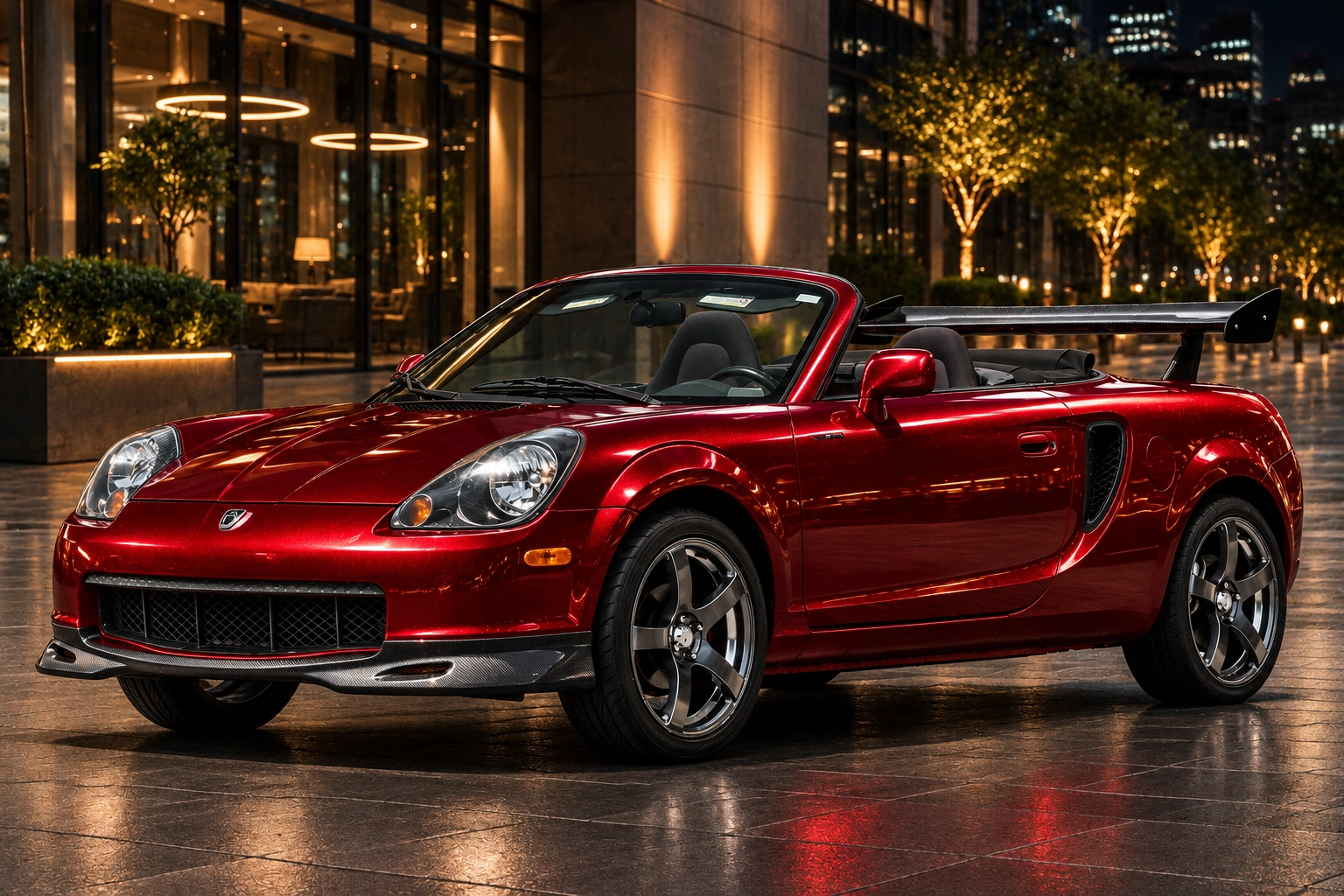
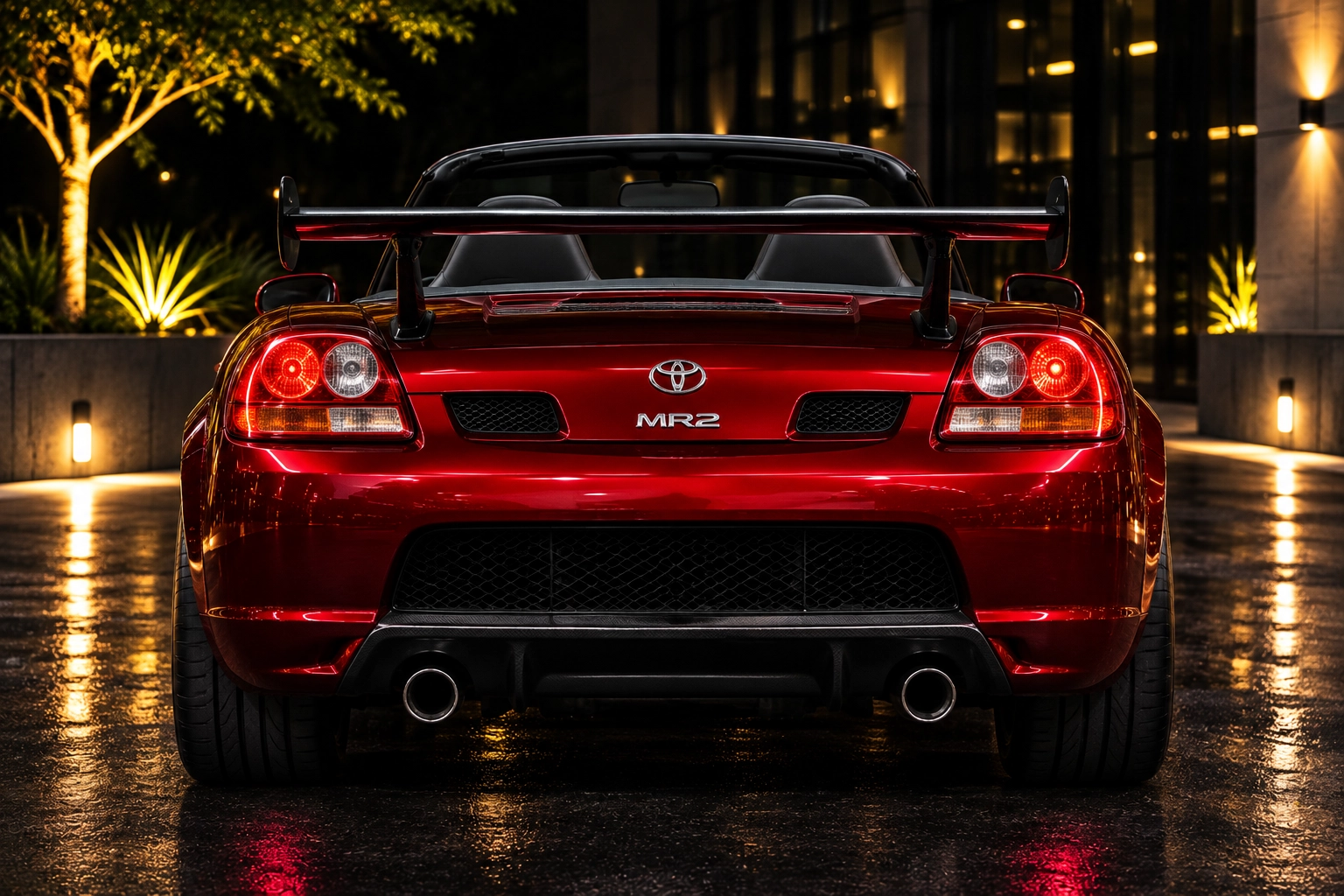
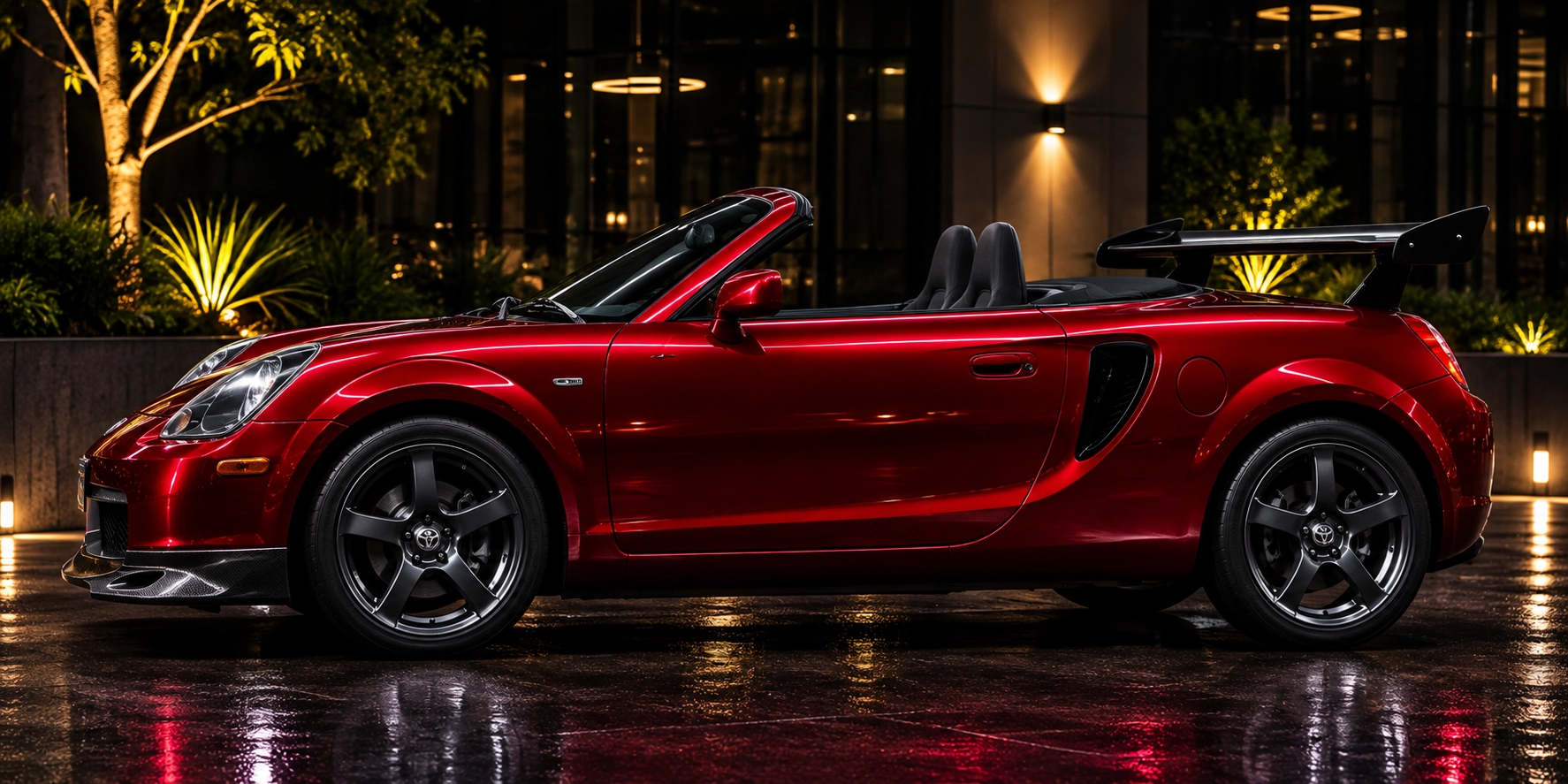
The 1ZZ-FE also appeared in selected international versions of the Toyota Avensis, Celica, MR2 Roadster, Matrix, RAV4 and Corolla Verso.
However, Toyota sold different engine configurations across international markets. A vehicle model name alone does not confirm that it uses the 1ZZ-FE.
For example, the Toyota RunX RSi uses the performance-oriented 2ZZ-GE rather than the standard 1ZZ-FE. Although both engines have approximately 1.8 litres of displacement, their mechanical designs differ substantially.
Correct identification is essential when servicing the engine or sourcing major replacement components.
How Does Toyota's 1ZZ VVT-i System Work?
One of the 1ZZ engine's important features is Toyota's Variable Valve Timing with intelligence technology. The system adjusts intake camshaft timing to suit different engine operating conditions.
At lower engine speeds, the engine requires different airflow characteristics from those needed during acceleration. VVT-i allows the engine management system to adjust valve timing rather than relying on one fixed setting.
This helps Toyota balance performance, fuel efficiency and emissions across a wider operating range.
The system uses engine-oil pressure and electronic controls to manage camshaft timing. As a result, oil quality and correct servicing play an important role in proper VVT-i operation.
Dirty oil, inadequate lubrication or a faulty oil-control valve can interfere with the system. Owners may notice reduced performance, rough running or diagnostic fault codes when problems develop.
A qualified mechanic should identify the cause before replacing VVT-i components, since other engine faults can produce similar symptoms.
Why Did Toyota Develop the 1ZZ Engine?
The Toyota 1ZZ-FE formed part of the company's transition towards lighter and more efficient petrol engines. Earlier Toyota engine families relied on different construction methods and mechanical designs.
By using an aluminium engine block, Toyota reduced engine weight while maintaining a compact four-cylinder configuration. The 1ZZ also introduced modern valve timing technology into several mainstream vehicle applications.
The engine's relatively long stroke helped establish its everyday driving characteristics. Rather than focusing entirely on high-revving performance, Toyota developed the 1ZZ-FE for practical use in passenger vehicles.
Several engineering features contributed to its design:
Lightweight construction: An aluminium block helps reduce overall engine weight.
Electronic fuel injection: Engine management controls fuel delivery according to operating conditions.
VVT-i technology: Variable intake valve timing supports efficiency and performance.
Timing-chain drive: A chain operates the camshaft timing system instead of a conventional rubber belt.
Compact dimensions: The engine suits several Toyota passenger-car platforms.
These characteristics helped the 1ZZ-FE become an important engine within Toyota's passenger-car range.
Is the Toyota 1ZZ Engine Reliable?
The Toyota 1ZZ engine can provide dependable service when owners maintain it correctly. However, reliability varies according to production year, maintenance history and mechanical condition.
Like many older Toyota engines, the 1ZZ-FE benefits from a relatively straightforward naturally aspirated configuration. It does not require a factory turbocharger to produce its normal power output.
Nevertheless, its reputation includes reports of excessive engine-oil consumption, particularly in some earlier production versions. This issue deserves attention because low oil levels can cause serious internal damage.
Owners should also monitor the cooling system, timing-chain components, ignition system and external oil seals.
A vehicle with consistent servicing and a documented maintenance history may have different mechanical needs from one with unknown previous care.
Ultimately, engine reliability depends on the condition of the individual unit rather than the Toyota name alone.
Why Do Some Toyota 1ZZ Engines Burn Oil?
Excessive oil consumption is one of the most widely reported problems involving earlier Toyota 1ZZ-FE engines. Some owners notice that the engine requires oil top-ups between normal services, even when no significant external leak appears.
One recognised cause involves the piston oil-control rings. These rings help regulate the amount of oil remaining on the cylinder walls during engine operation.
In some earlier 1ZZ-FE versions, carbon deposits can affect the oil-control rings and associated oil-drainage passages. This may prevent the rings from managing oil effectively, allowing excess oil to enter the combustion chambers.
When the engine burns oil, the level in the sump gradually decreases. If the owner does not monitor the level, the engine may eventually operate with insufficient lubrication.
Toyota introduced revisions to the affected piston and ring designs during the engine's production history. However, owners should not assume that every early engine has the problem or that every later engine is unaffected.
Signs of Excessive 1ZZ Engine Oil Consumption
Owners should pay attention to changes in oil level and engine behaviour. Common warning signs include:
Frequent oil top-ups: The engine consumes noticeable amounts of oil between scheduled services.
Blue exhaust smoke: Burning engine oil may create bluish smoke under certain operating conditions.
Oil-fouled spark plugs: Excess oil entering the combustion chambers can affect ignition components.
Reduced lubrication: Unnoticed oil loss may eventually increase internal wear.
However, oil consumption does not always indicate worn piston rings. Valve-related wear, crankcase ventilation problems and external leaks can also affect oil levels.
A mechanic should inspect the engine before recommending major repairs. Compression testing, leak-down testing and an assessment of oil consumption may help identify the cause.
Other Common Toyota 1ZZ Engine Problems
Although oil consumption receives considerable attention, other mechanical problems can affect the 1ZZ-FE as it ages. Many involve components that support engine operation rather than the internal engine assembly.
Timing-Chain and Tensioner Wear
The Toyota 1ZZ-FE uses a timing chain to synchronise crankshaft and camshaft movement. Unlike a rubber timing belt, a chain does not follow the same routine replacement schedule.
However, timing chains and their supporting components can still wear over time. The tensioner, guides and sprockets may eventually require attention.
Unusual rattling noises, timing-related fault codes or changes in engine operation can indicate a problem. A professional inspection should establish the cause before major timing-system repairs begin.
Cooling-System Problems
The 1ZZ engine relies on a functioning cooling system to maintain normal operating temperatures. Radiator problems, coolant leaks, thermostat faults and water-pump wear can affect cooling efficiency.
As vehicles age, rubber hoses and sealing surfaces may deteriorate. Owners might notice unexplained coolant loss or rising temperature readings.
Continued overheating can damage internal components and reduce engine reliability. A mechanic should identify and repair the cooling-system problem before the vehicle returns to normal use.
Ignition-System Faults
The 1ZZ-FE uses electronic ignition components to support efficient combustion. Worn spark plugs or faulty ignition coils can cause misfires, unstable idling and reduced performance.
Drivers may also notice an illuminated engine warning light. However, similar symptoms can result from fuel-system faults or mechanical problems.
Electronic diagnosis helps identify the affected system before components are replaced.
External Oil Leaks
Oil leaks can develop around ageing gaskets and seals. Common inspection areas include the valve-cover gasket and timing-chain tensioner sealing area.
These leaks differ from internal oil consumption. An engine may lose oil externally without burning it inside the combustion chambers.
Identifying the source helps mechanics recommend appropriate repairs and avoid unnecessary engine work.
VVT-i System Problems
The VVT-i system depends on suitable engine-oil pressure and electronic control. Oil contamination, a faulty oil-control valve or related mechanical problems can interfere with valve timing.
Drivers may notice inconsistent performance or diagnostic fault codes. However, these symptoms do not automatically confirm a failed VVT-i component.
A mechanic should check the lubrication system and relevant controls before recommending replacement parts.
Toyota 1ZZ Engine Warning Signs and Possible Causes
Understanding common symptoms can help owners recognise when their engines need professional attention. However, several faults can produce similar warning signs, so proper diagnosis remains essential.
1ZZ Engine Troubleshooting Overview
Warning Sign | Possible Cause | Recommended Action |
|---|---|---|
Excessive oil consumption | Piston-ring wear, ventilation fault or another oil-related problem | Monitor oil loss and arrange a mechanical inspection. |
Blue exhaust smoke | Engine oil entering the combustion chambers | Investigate internal oil consumption. |
Rattling during startup | Possible timing-chain or tensioner wear | Arrange a timing-system assessment. |
Engine overheating | Cooling-system leak or circulation problem | Stop safely and investigate the cooling system. |
Rough idling | Ignition, fuel-delivery or intake-system fault | Perform appropriate engine diagnostics. |
Reduced engine power | VVT-i fault, ignition problem or mechanical wear | Confirm the cause before replacing components. |
Visible oil leaks | Damaged gasket or seal | Locate the leak and check oil levels. |
This table provides general guidance rather than a complete diagnosis. A qualified mechanic should inspect the engine and confirm the faulty component before recommending repairs.
Does the Toyota 1ZZ Engine Have a Timing Belt or Chain?
The 1ZZ engine uses a timing chain rather than a conventional rubber timing belt. The chain synchronises the crankshaft and camshafts so that the engine's valves operate at the correct time.
Toyota designed the chain for extended service, but this does not make the timing system maintenance-free. Chains, guides, tensioners and related components can experience wear after years of operation.
Lubrication quality is particularly important because the timing system depends on suitable engine-oil conditions. Inadequate maintenance can increase wear and affect system operation.
Owners should investigate unusual timing-related noises and avoid ignoring persistent rattling. The correct repair depends on the actual condition of the chain and its supporting components.
What Is the Difference Between the 1ZZ and 2ZZ Engines?
Toyota developed both the 1ZZ-FE and 2ZZ-GE within the broader ZZ engine family. Although both have approximately 1.8 litres of displacement, they serve different purposes.
The 1ZZ-FE focuses on everyday driving, combining naturally aspirated performance with VVT-i technology. It appeared in practical passenger cars such as the Corolla and RunX 180i.
The 2ZZ-GE uses a different internal design and Toyota's VVTL-i technology. This system combines variable valve timing with variable valve lift, supporting stronger performance at higher engine speeds.
In South Africa, the Toyota RunX RSi became closely associated with the 2ZZ-GE. This performance-focused engine differs substantially from the standard 1ZZ-FE.
Although the engines share a family name and similar displacement, they are not directly interchangeable in every vehicle. Their internal components, electronic systems and supporting equipment differ.
Is the 1ZZ Engine the Same as the 3ZZ or 4ZZ?
The 1ZZ-FE, 3ZZ-FE and 4ZZ-FE belong to Toyota's ZZ engine family. However, their engine capacities and internal specifications differ.
The 1ZZ-FE has a displacement of 1,794 cc, while the 3ZZ-FE uses approximately 1.6 litres. The smaller 4ZZ-FE has a capacity of approximately 1.4 litres.
These engines appeared in different Corolla and RunX applications, depending on production year and market.
Although they share certain engineering principles, customers should not assume that their components are interchangeable. Engine mounts, fuel systems, electronics and transmission connections may require comparison.
Correct engine-code identification remains essential during major repairs or replacement enquiries.
How to Maintain a Toyota 1ZZ Engine
Regular maintenance plays an important role in protecting the Toyota 1ZZ-FE against unnecessary mechanical wear. Owners should pay particular attention to engine-oil condition because excessive consumption can affect some versions.
The correct service schedule depends on the vehicle model, production year and operating conditions. Mechanics should follow Toyota's requirements for the specific application.
Essential 1ZZ Engine Maintenance
A practical maintenance routine should focus on the following areas:
Engine oil and filters: Use the correct oil specification and follow the recommended service schedule.
Oil consumption: Monitor the dipstick and investigate unusual oil loss.
Cooling system: Inspect coolant, hoses, radiator components and water-pump condition.
Timing-chain system: Investigate abnormal rattling and timing-related symptoms.
Ignition system: Check spark plugs and ignition coils when misfires or rough running occur.
VVT-i operation: Maintain clean engine oil and investigate relevant diagnostic faults.
These maintenance checks help identify developing problems, but they do not replace a complete vehicle service. A qualified workshop should assess additional components according to the engine's age and condition.
Why Regular Oil Checks Matter for the 1ZZ Engine
Monitoring engine oil is particularly important for owners of older 1ZZ-FE engines. Because some versions experience excessive internal oil consumption, oil levels may fall between scheduled services.
Drivers should not assume that the absence of an external leak means the engine is retaining its oil. Internal consumption can occur without leaving visible stains beneath the vehicle.
Regular oil-level checks help owners identify unusual consumption before lubrication becomes insufficient. However, topping up oil does not repair worn piston rings or other internal mechanical problems.
When consumption becomes excessive, a mechanic should investigate the underlying cause. Depending on the findings, repairs may involve the crankcase ventilation system, engine seals or internal components.
Early diagnosis helps owners understand the engine's actual condition and avoid unnecessary repair expenses.
How Long Can a Toyota 1ZZ Engine Last?
There is no fixed mileage that guarantees the lifespan of a Toyota 1ZZ engine. Mechanical longevity depends on maintenance history, operating conditions, oil consumption and the condition of internal components.
A well-maintained engine may continue operating for many years. However, neglected oil consumption, overheating or inadequate servicing can shorten its useful life considerably.
Owners should focus on mechanical condition rather than mileage alone. Two engines with similar mileage may have very different maintenance histories and levels of wear.
Regular servicing, prompt diagnosis and appropriate repairs can help preserve reliability. A professional mechanical assessment remains the most useful way to evaluate an ageing engine.
When Does a 1ZZ Engine Need Major Repairs?
Not every Toyota 1ZZ problem requires a complete engine rebuild. Some faults involve individual components, including ignition coils, gaskets, water pumps or sensors. Mechanics can often address these problems without major internal engine work.
However, severe oil consumption, low compression or significant internal damage can create more complicated repairs. Extensive overheating and inadequate lubrication may also affect several internal components.
Before recommending a rebuild or replacement, a qualified mechanic should investigate the cause of the problem. Compression testing, leak-down testing and other appropriate checks can help assess engine condition.
The correct repair depends on the extent of the damage and the condition of the existing engine. A rebuild may be practical when major components remain suitable for repair.
When extensive wear makes rebuilding uneconomical, a compatible replacement engine may provide another option. The decision should consider mechanical condition, parts availability and total repair costs.
Why Correct 1ZZ Engine Identification Matters
Correct engine identification is essential when sourcing major replacement components. Toyota used the 1ZZ-FE across several vehicle platforms, but external components can differ between applications.
For example, a 1ZZ-FE from a Corolla may have different mounting arrangements, manifolds or supporting equipment from an engine used in another Toyota model.
Transmission configurations can also affect compatibility. A replacement engine from an automatic vehicle may require different supporting components when installed in a manual application.
Mechanics should therefore confirm the original engine code, vehicle model, production year and relevant mechanical specifications before arranging major repairs.
Accurate identification helps reduce ordering mistakes and unnecessary installation complications.
For additional Toyota engine information, visit the LDR Pretoria Toyota brand guide.
The Toyota 1ZZ Engine in South Africa
The Toyota 1ZZ-FE remains relevant to South African motorists because of its use in familiar Toyota passenger vehicles. Models such as the Corolla 180i and RunX 180i helped establish the engine's local presence.
As these vehicles age, maintenance and replacement-part availability become increasingly important. Some owners may need repairs involving the timing system, cooling components or internal engine wear.
However, the correct repair depends on the specific vehicle and the cause of the problem. Engine-code identification helps mechanics distinguish between different Toyota ZZ-family applications.
When major internal damage occurs, workshops may need to investigate compatible replacement-engine options.
How LDR Pretoria Supports Toyota 1ZZ Engine Owners
Major engine problems can create challenges for owners of older Toyota vehicles. When significant internal damage occurs, a workshop may need to investigate suitable replacement-engine availability.
LDR Engines Pretoria supplies imported replacement engines for selected Toyota applications. The company assists motorists, mechanics and workshops with engine-code enquiries and compatibility information.
Customers enquiring about a Toyota 1ZZ-FE engine should provide the vehicle model, production year and original engine code. These details help identify possible replacement options and supporting component requirements.
Availability depends on current stock. Customers should therefore confirm whether the specific engine is available before making arrangements.
Visit the LDR Pretoria engine catalogue to explore available Toyota replacement engines. You can also contact LDR Engines Pretoria for engine-code and availability enquiries.
Toyota 1ZZ Engine Frequently Asked Questions
What is a Toyota 1ZZ engine?
The Toyota 1ZZ-FE is a naturally aspirated 1.8-litre petrol engine with four cylinders, 16 valves and electronic fuel injection. Common applications use Toyota's VVT-i technology.
What size is the 1ZZ engine?
The Toyota 1ZZ-FE has a displacement of 1,794 cc, commonly described as 1.8 litres.
Which Toyota cars use the 1ZZ engine?
The 1ZZ-FE appeared in selected Toyota Corolla, RunX, Avensis, Celica, MR2, Matrix and other models. Applications vary according to the production year and market.
Does the 1ZZ engine use a timing belt or chain?
The Toyota 1ZZ-FE uses a timing chain rather than a conventional rubber timing belt. Chains, guides and tensioners can still experience wear.
Why does the 1ZZ engine burn oil?
Some earlier 1ZZ-FE engines experience excessive oil consumption because carbon buildup and piston-ring design can affect oil control. Other mechanical problems may also cause oil loss.
Is the Toyota 1ZZ engine reliable?
The 1ZZ-FE can provide dependable service with proper maintenance. However, reliability depends on production version, servicing history, oil consumption and mechanical condition.
Is the 1ZZ engine the same as the 2ZZ?
No. Although both engines belong to Toyota's ZZ family and have approximately 1.8-litre capacities, the 2ZZ-GE uses a different high-performance design and VVTL-i technology.
What is the difference between the 1ZZ and 3ZZ?
The 1ZZ-FE is a 1.8-litre engine, while the 3ZZ-FE has approximately 1.6 litres of displacement. Their internal dimensions and vehicle applications differ.
Can a Toyota 1ZZ engine last a long time?
Engine life depends on maintenance, operating conditions and mechanical wear. Regular servicing and monitoring oil consumption can help support long-term reliability.
Are Toyota 1ZZ engines available in South Africa?
Specialist automotive suppliers may stock imported Toyota 1ZZ-FE replacement engines. Customers should confirm the engine code, compatibility and current availability before making arrangements.
Final Thoughts: Understanding the Toyota 1ZZ Engine
The 1ZZ engine remains an important part of Toyota's petrol-engine history. Its lightweight construction, VVT-i technology and practical performance helped make it suitable for several popular passenger vehicles.
However, understanding its mechanical characteristics is essential for long-term reliability. Oil consumption, timing-system condition, cooling efficiency and regular servicing all deserve attention as these engines age.
Owners should monitor unusual symptoms and investigate problems before they develop into more serious damage. Accurate engine-code identification also becomes important when major repairs or replacement components are necessary.
For additional Toyota engine information, explore the LDR Pretoria Toyota engine guide. You can also browse available replacement engines or contact LDR Engines Pretoria for assistance.