
R32 Engine for Sale in South Africa
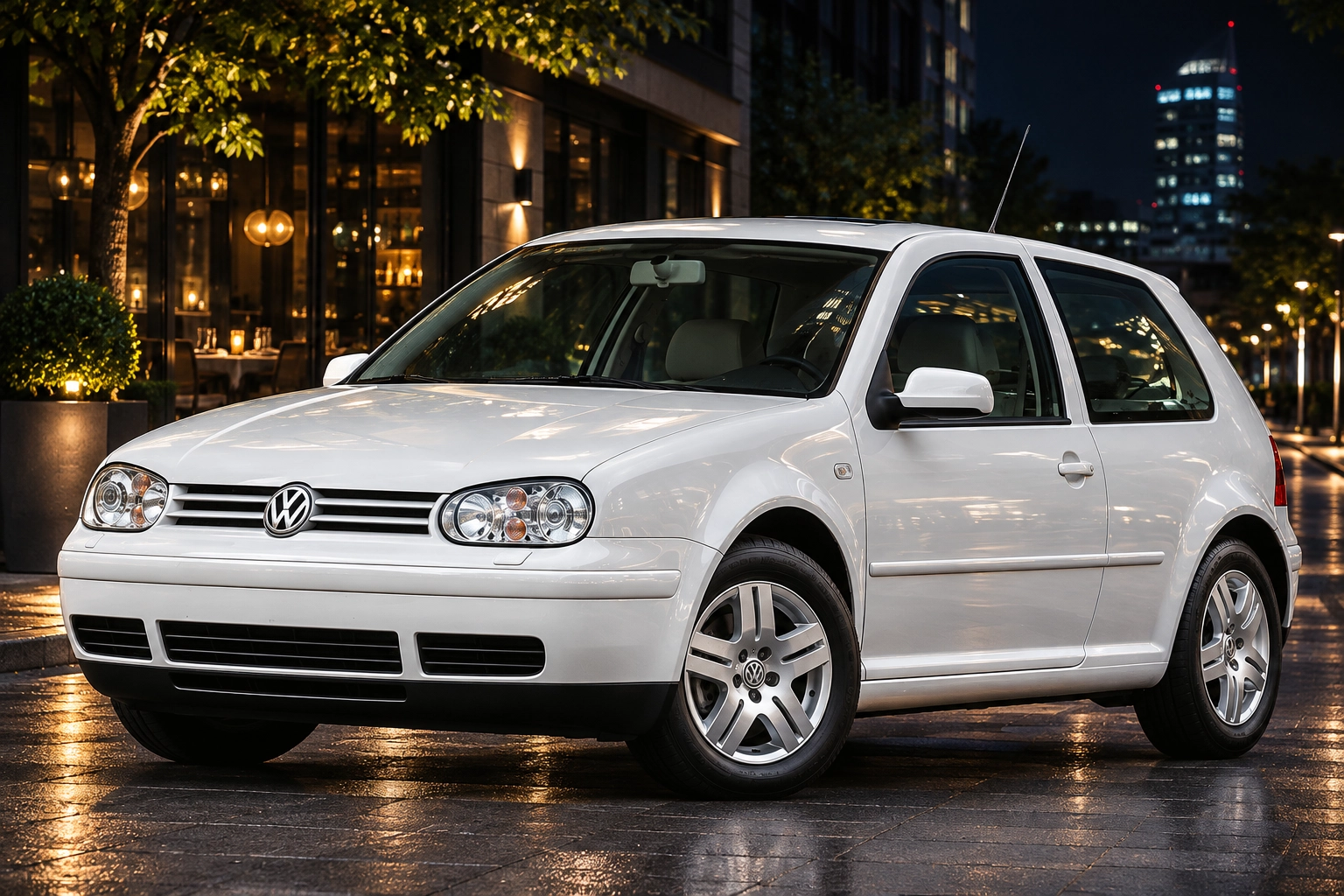
Finding an R32 engine for sale in South Africa can be challenging, especially when you need the correct replacement for a Volkswagen Golf Mk4 or Mk5 R32. These engines have become popular among Volkswagen enthusiasts because of their distinctive sound, naturally aspirated performance and unusual six-cylinder design.
Volkswagen introduced the Golf R32 in 2002 with a 3.2-litre VR6 petrol engine. The car quickly developed a reputation for combining strong performance with everyday practicality. Its narrow-angle engine design also distinguished it from conventional six-cylinder vehicles.
However, not every R32 engine uses identical mechanical components. Volkswagen introduced changes between the Mk4 and Mk5 generations, including differences in engine management, intake design and supporting systems.
For South African owners, identifying the correct engine is essential when major repairs become necessary. An incorrect replacement can create problems involving wiring, electronic controls, mounting points and transmission compatibility.
This article explores R32 engine specifications, the differences between Golf generations, common mechanical problems and replacement-engine considerations. It also explains how maintenance and professional diagnosis help protect these distinctive Volkswagen engines.
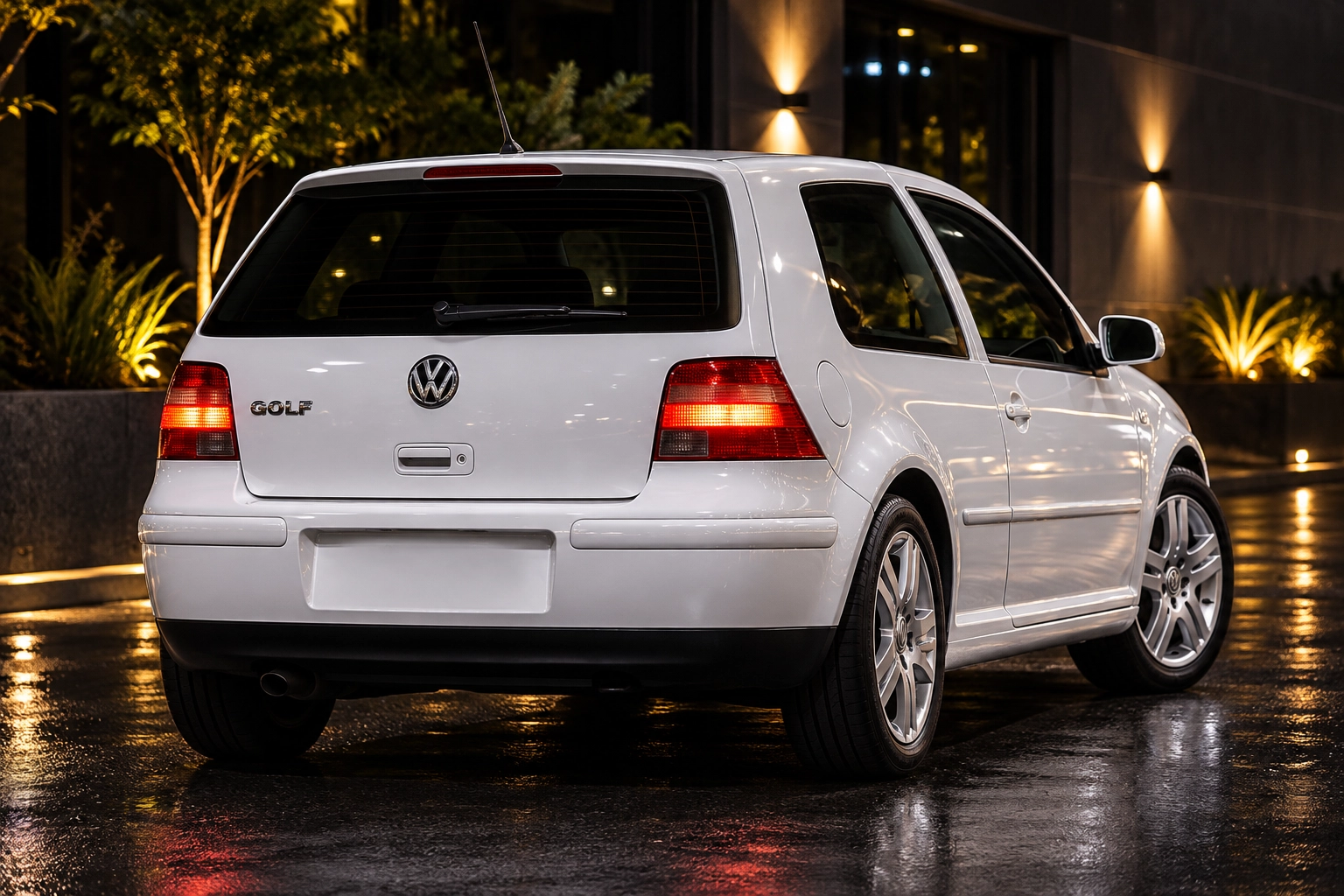
What Is the Volkswagen R32 Engine?
The Volkswagen R32 engine is a naturally aspirated 3.2-litre VR6 petrol engine. Volkswagen developed it for performance-focused vehicles, including the Golf Mk4 R32 and Golf Mk5 R32.
Unlike a conventional V6, the VR6 uses a narrow angle between its two cylinder banks. This arrangement allows all six cylinders to share a single cylinder head.
The design combines features of traditional V-type and inline engines. It also creates a compact configuration suitable for transverse installation in vehicles such as the Golf.
The R32 engine features a displacement of 3,189 cc and a 24-valve cylinder head. Its six cylinders operate through a four-stroke combustion process, while electronic fuel injection manages fuel delivery.
Volkswagen paired the engine with its 4MOTION all-wheel-drive system in the Golf R32. Depending on the model and market, the vehicle used a six-speed manual or DSG transmission.
Why Is the R32 Engine So Popular?
The R32 became popular because it offered a different driving experience from many turbocharged four-cylinder hatchbacks. Its naturally aspirated engine delivers smooth acceleration and a distinctive exhaust note.
The narrow-angle architecture also makes the engine interesting from an engineering perspective. Volkswagen developed a compact six-cylinder design without using the wider layout of many conventional V6 engines.
Several characteristics contribute to the R32 engine's appeal:
3.2-litre displacement: The engine delivers strong naturally aspirated performance.
Narrow-angle VR6 design: Its compact architecture allows six cylinders to share one cylinder head.
Distinctive exhaust sound: The engine produces a recognisable six-cylinder growl.
24-valve cylinder head: The design supports airflow and engine performance.
Volkswagen R heritage: The R32 helped establish the brand's modern performance identity.
These characteristics continue to attract interest from Volkswagen owners and enthusiasts. However, the engine's mechanical condition matters more than its reputation when major repairs are necessary.
Volkswagen Golf Mk4 R32 vs Mk5 R32 Engines
The Golf Mk4 and Mk5 R32 both use 3.2-litre VR6 engines. However, Volkswagen revised the design between generations to improve performance and accommodate different vehicle systems.
The Mk4 R32 arrived in 2002 with an engine producing approximately 177 kW, or 241 PS. Its 3.2-litre engine delivered 320 Nm of torque and helped establish the R32 name.
Volkswagen introduced the Mk5 R32 in 2005 with a revised version of the same engine concept. Its output increased to approximately 184 kW, or 250 PS, while maximum torque remained 320 Nm.
Although the two engines share similar capacities and layouts, their electronic systems and certain mechanical components differ. Engine-code identification therefore remains important.
Golf Mk4 vs Mk5 R32 Engine Specifications
Specification | Golf Mk4 R32 | Golf Mk5 R32 |
|---|---|---|
Engine type | 3.2L VR6 petrol | 3.2L VR6 petrol |
Displacement | 3,189 cc | 3,189 cc |
Power | 177 kW / 241 PS | 184 kW / 250 PS |
Torque | 320 Nm | 320 Nm |
Cylinders | 6 | 6 |
Valves | 24 | 24 |
Aspiration | Naturally aspirated | Naturally aspirated |
Timing system | Timing chain | Timing chain |
Example engine codes | BFH, BML, BJS | BUB and other market-specific variants |
Vehicle drivetrain | 4MOTION AWD | 4MOTION AWD |
These figures represent common factory specifications. The exact engine code and equipment can vary between markets and production periods.
Owners should check their vehicle's original engine code rather than relying only on the Mk4 or Mk5 description.
The Golf Mk4 R32 Engine: Where the Legend Began
The original Golf R32 introduced six-cylinder performance to a new generation of Volkswagen enthusiasts. Its 3.2-litre VR6 represented a significant development from the smaller engines used in many Golf models.
Volkswagen designed the Mk4 R32 to deliver strong performance while retaining the Golf's compact hatchback layout. The VR6's narrow-angle configuration made this possible without requiring an excessively long engine compartment.
The engine used electronic fuel injection and variable valve timing. These technologies helped manage combustion, airflow and performance across different engine speeds.
The Mk4 R32 became particularly recognisable for its exhaust sound. Its naturally aspirated six-cylinder configuration created a driving character that differed from turbocharged four-cylinder alternatives.
Today, owners of original Mk4 R32 vehicles often face age-related maintenance concerns. Cooling-system components, ignition systems, gaskets and timing-chain parts may require attention after years of operation.
The Golf Mk5 R32 Engine: More Power and Refinement
Volkswagen continued developing the R32 with the introduction of the Golf Mk5. The newer model retained the 3.2-litre VR6 concept but introduced revised mechanical and electronic systems.
Power increased to approximately 184 kW, giving the Mk5 a modest advantage over the original R32. The vehicle also featured updated suspension, transmission and electronic systems.
Volkswagen continued offering its 4MOTION all-wheel-drive system, which helped the car deliver power through all four wheels. Manual and DSG transmission availability varied between markets.
The Mk5 R32 maintained the smooth acceleration and distinctive sound of the earlier generation. However, its updated engine management and supporting components introduced different servicing and compatibility requirements.
For this reason, a replacement engine from a Mk4 should not automatically be considered a direct replacement for a Mk5. A qualified mechanic must confirm the correct specifications before installation.
What Engine Codes Does the Golf R32 Use?
Engine codes play an important role when identifying the correct Volkswagen replacement engine. They distinguish between closely related versions that may have different mechanical or electronic requirements.
The original Golf Mk4 R32 commonly used engine codes from the BFH, BML and BJS range, depending on the market. The Mk5 R32 is strongly associated with the BUB engine code, although other codes appear in selected regional applications.
These codes provide a more useful identification method than searching only for a 3.2-litre Volkswagen engine. Several Volkswagen Group vehicles used related VR6 engines, but their components and configurations may differ.
For example, selected Audi A3 and Audi TT models also featured 3.2-litre narrow-angle six-cylinder engines. Shared architecture does not guarantee that an engine will fit another vehicle without modifications.
Mechanics should confirm the original engine code and compare the replacement unit's electronic controls, wiring and mechanical components.
Why the Correct R32 Engine Code Matters
Choosing a replacement engine requires more than matching the displacement. Two engines can both have a capacity of 3,189 cc while using different electronic components or supporting systems.
Volkswagen made changes to the R32 engine family across production years and markets. These variations can affect sensors, intake components, engine management and transmission compatibility.
Incorrect engine selection can create installation difficulties or prevent the vehicle from operating correctly. This is especially important when an engine comes from another Volkswagen Group vehicle.
Customers searching for an R32 engine for sale should therefore identify the exact engine variant before comparing replacement options.
Common Volkswagen R32 Engine Problems
The R32 engine has a strong following among enthusiasts, but older units can develop mechanical problems. Maintenance history, mileage and previous operating conditions all influence reliability.
Some concerns involve components that support engine operation rather than the internal engine assembly. Others may require more extensive repairs if owners ignore the early symptoms.
Timing-Chain and Tensioner Wear
Timing-system wear is one of the better-known concerns associated with ageing VR6 engines. The R32 uses timing chains rather than conventional rubber timing belts.
These chains synchronise the crankshaft and camshafts during engine operation. Over time, chain guides and tensioners can deteriorate, particularly when maintenance has been inconsistent.
Owners may notice rattling noises during startup or changes in engine operation. Timing-related diagnostic fault codes may also appear when the system develops problems.
A qualified mechanic should investigate these symptoms promptly. Significant timing problems can affect engine operation and may cause serious internal damage.
Cooling-System Problems
Cooling-system condition plays an important role in R32 reliability. Water pumps, thermostats, radiator components and coolant pipes can deteriorate as vehicles age.
Plastic cooling-system components may become brittle after repeated exposure to heat. Rubber hoses can also develop leaks or lose their flexibility.
Owners should investigate unexplained coolant loss and rising engine temperatures. Continuing to operate an overheating engine can damage the cylinder head and internal components.
Ignition Coils and Misfires
The R32 relies on electronic ignition components to maintain smooth combustion. Worn spark plugs or faulty ignition coils can cause rough idling, hesitation and reduced performance.
Drivers may also notice an engine warning light when the vehicle detects a misfire. However, not every misfire comes from an ignition coil.
Fuel-system problems, wiring faults and mechanical issues can produce similar symptoms. Diagnostic testing should identify the cause before any components are replaced.
Oil Leaks and Engine Seals
Ageing gaskets and seals can allow engine oil to escape. Owners may notice oil residue around the engine or stains beneath their vehicles.
Some leaks develop around the valve-cover area, while others involve different sealing surfaces. A mechanic should inspect the engine to locate the source.
Continued oil loss can reduce lubrication and increase internal wear. Owners should therefore monitor oil levels and investigate unexplained consumption.
Crankcase Ventilation Problems
The crankcase ventilation system helps manage gases and pressure inside the engine. Faults within this system can affect idle quality and oil consumption.
Damaged hoses or faulty ventilation components may also contribute to air leaks. Drivers might notice unstable idling or changes in engine performance.
A mechanic should inspect the ventilation system when these symptoms occur. Other fuel or ignition problems may produce similar behaviour.
R32 Engine Warning Signs and Possible Causes
Recognising unusual engine behaviour can help owners identify developing problems. However, one symptom may have several possible causes, making professional diagnosis essential.
R32 Engine Troubleshooting Overview
Warning Sign | Possible Cause | Recommended Action |
|---|---|---|
Rattling during startup | Timing-chain or tensioner wear | Arrange a timing-system inspection. |
Rising engine temperature | Cooling-system fault or coolant loss | Stop safely and investigate overheating. |
Rough idling | Ignition, ventilation or fuel-system problem | Perform appropriate engine diagnostics. |
Engine warning light | Electronic, ignition or emissions-related fault | Check the stored fault codes. |
Visible oil leaks | Ageing gaskets or damaged seals | Identify the leak and assess oil levels. |
Reduced engine power | Ignition, fuel or mechanical fault | Investigate before replacing major components. |
Unusual exhaust smoke | Oil consumption or combustion problem | Arrange a mechanical assessment. |
These examples provide general guidance rather than a complete diagnosis. A qualified mechanic should confirm the source of the problem before recommending repairs.
Does the R32 Engine Use a Timing Belt or Timing Chain?
The Volkswagen R32 uses a timing-chain system. Both the Golf Mk4 and Mk5 R32 feature chain-driven valve timing rather than a conventional rubber timing belt.
Timing chains can provide a long service life when the engine receives proper lubrication and maintenance. However, the chains and their supporting components are not immune to wear.
The R32 timing system sits towards the transmission side of the engine. This arrangement can make extensive timing-system repairs relatively labour-intensive.
Owners should monitor unusual engine noises and follow the manufacturer's maintenance guidance. If the engine develops timing-related symptoms, professional inspection becomes important.
How Reliable Is the Volkswagen R32 Engine?
The R32 can deliver dependable performance when owners maintain it correctly. However, reliability depends on the engine's age, servicing history and mechanical condition.
Many R32 engines have now accumulated years of operation. Supporting components can deteriorate even when the internal engine assembly remains healthy.
Regular oil changes help protect moving components, while cooling-system maintenance reduces the risk of overheating. Owners should also address ignition faults and unusual noises before they develop into more serious problems.
Maintenance records provide valuable information about an older engine. A unit with documented servicing and diagnostic history may be easier to assess than one with an unknown background.
No particular mileage guarantees that an R32 engine will remain reliable. Mechanical condition and previous care provide more useful indicators of engine health.
Essential Volkswagen R32 Engine Maintenance
Proper maintenance helps protect the R32 against avoidable wear. Although the engine has a distinctive design, it still relies on effective lubrication, cooling and ignition systems.
Owners should follow the service requirements for their exact engine code and vehicle model. Older vehicles may also need additional inspections when their maintenance history is incomplete.
Important maintenance areas include:
Engine oil and filters: Follow the correct Volkswagen oil specification and service schedule.
Cooling-system components: Inspect the radiator, coolant pipes, thermostat and water pump.
Timing-chain system: Investigate unusual rattling or timing-related fault codes.
Ignition system: Check spark plugs, ignition coils and related components when misfires occur.
Gaskets and seals: Monitor oil leaks and unexplained fluid consumption.
These checks support reliability, but they do not replace the complete manufacturer maintenance schedule.
How Much Does an R32 Engine Cost in South Africa?
The price of an R32 engine for sale depends on several factors. These include engine code, mechanical condition, availability and the components supplied with the unit.
Because the R32 is a specialised performance engine, availability may differ from more common Volkswagen petrol engines. Suppliers may also receive different versions from international markets.
An engine advertised as a complete assembly may include certain accessories, while another unit may contain only the main engine assembly. These differences affect the overall cost of replacing the original engine.
Buyers should also consider professional installation, servicing components and any necessary compatibility work. The engine's advertised price is not necessarily the complete repair cost.
For South African customers, prices are normally quoted in Rand. Current stock and exact pricing should be confirmed directly with the supplier rather than relying on older advertisements.
What Should You Check Before Choosing an R32 Replacement Engine?
When comparing replacement engines, compatibility should take priority over the advertised price. An engine that appears suitable may still use different electronic or mechanical components.
Customers should also investigate the condition of the individual unit. A previously used engine may have experienced different maintenance and operating conditions from the original.
Before arranging a replacement, confirm the following:
Original engine code: Match the replacement to the correct Mk4 or Mk5 application.
Vehicle specifications: Confirm the production year, VIN and transmission configuration.
Mechanical condition: Ask about available inspections, testing and signs of previous damage.
Included accessories: Confirm whether wiring, sensors, manifolds and other components come with the engine.
Warranty terms: Review coverage, exclusions and professional installation requirements.
These checks help identify suitable replacement options and reduce the risk of unnecessary installation complications.
Can a Golf Mk4 R32 Engine Fit a Mk5 R32?
The Golf Mk4 and Mk5 R32 engines share the same 3.2-litre VR6 architecture. However, this does not guarantee direct interchangeability.
Volkswagen revised electronic systems, intake components and other supporting parts between the two generations. The vehicle's wiring, engine management and transmission requirements may also differ.
A replacement using a different engine code may require changes to supporting components. In some cases, the differences make another engine unsuitable without extensive modifications.
For this reason, owners should not assume that every 3.2-litre VR6 will fit their vehicle. A qualified mechanic should confirm compatibility before major repairs begin.
Can an Audi 3.2 VR6 Engine Replace a Golf R32 Engine?
Selected Audi A3 and Audi TT models used engines related to the Volkswagen R32's 3.2-litre VR6. This shared architecture creates similarities between certain engine components.
However, the exact engine codes and vehicle configurations matter. Electronic controls, sensors, mounting arrangements and supporting accessories may differ.
An Audi engine should therefore not automatically be considered a direct replacement for a Golf R32 engine. Mechanics must compare the original and replacement specifications.
Accurate identification helps prevent problems involving engine management and transmission compatibility.
When Does an R32 Engine Need Major Repairs?
Not every R32 problem requires a complete engine replacement. Faulty ignition coils, external oil leaks and certain cooling-system problems may involve individual components.
However, extensive internal wear or serious timing-system damage can create more complicated repairs. Severe overheating and significant compression loss may also affect the engine's long-term reliability.
Before recommending a replacement, a qualified mechanic should establish the cause of the original failure. Appropriate diagnostic tests can help determine the extent of mechanical damage.
An engine rebuild may remain practical when important internal components are suitable for repair. In other cases, a compatible replacement engine may offer a more economical solution.
The decision should consider repair costs, parts availability and the condition of the complete vehicle.
R32 Engine Availability at LDR Pretoria
South African motorists looking for an R32 engine can enquire with specialist Volkswagen engine suppliers. However, current stock must always be confirmed because imported replacement engines are sold as individual units.
LDR Engines Pretoria supplies imported replacement engines and gearboxes for selected Volkswagen applications. The company assists customers and automotive workshops with engine-code enquiries and compatibility information.
Customers can browse the Volkswagen engine listings at LDR Pretoria to explore available products. If the required R32 engine code does not appear, customers can contact the team to enquire about availability or incoming stock.
Before purchasing, customers should provide their original engine code, vehicle year and transmission information. The supplier can then assist with identifying suitable options.
LDR Pretoria also arranges nationwide delivery across South Africa. Delivery fees depend on the destination and shipping requirements.
What Warranty Applies to an R32 Replacement Engine?
Warranty coverage is an important consideration when purchasing a replacement engine. However, performance-engine warranties may differ from those offered on standard replacement units.
LDR Pretoria publishes warranty terms for eligible engines and gearboxes. Its standard warranty covers specified internal components, while high-performance engines may receive start-up warranty coverage only.
The company's published terms also exclude timing chains and various accessories from standard coverage. Installation requirements and other conditions can affect warranty eligibility.
Customers should therefore confirm how the supplier classifies the specific R32 engine before purchasing. Never assume that a general warranty advertisement applies equally to every engine.
Review the LDR Pretoria terms and conditions and request confirmation of the coverage applicable to the unit.
R32 Engine for Sale Frequently Asked Questions
What engine does the Volkswagen Golf R32 use?
The Volkswagen Golf R32 uses a naturally aspirated 3.2-litre VR6 petrol engine. It features six cylinders, 24 valves and a displacement of 3,189 cc.
What is the difference between the Mk4 and Mk5 R32 engines?
The Mk4 R32 produces approximately 177 kW, while the Mk5 produces approximately 184 kW. Both use 3.2-litre VR6 engines, but their specifications and supporting components differ.
What engine codes does the R32 use?
Common Mk4 R32 engine codes include BFH, BML and BJS. The Mk5 is strongly associated with BUB, although engine codes vary between markets.
Does the R32 engine have a timing belt or chain?
Both Golf Mk4 and Mk5 R32 engines use timing chains. Chains, guides and tensioners can experience wear and may require professional attention.
Is the R32 engine turbocharged?
No. The original Golf Mk4 and Mk5 R32 engines are naturally aspirated. They produce power without a factory turbocharger.
What are common R32 engine problems?
Common concerns include timing-chain wear, cooling-system leaks, ignition faults, oil leaks and crankcase ventilation problems. Mechanical condition varies between engines.
Can an Audi 3.2 engine fit a Golf R32?
Some Audi 3.2-litre engines share VR6 architecture with the Golf R32. However, compatibility depends on engine codes, electronics, mounting points and supporting components.
How much does an R32 engine cost in South Africa?
Prices depend on engine code, condition, availability and included accessories. Customers should request current pricing from specialist suppliers.
Can I find an R32 engine for sale at LDR Pretoria?
LDR Pretoria supplies imported Volkswagen engines and accepts enquiries for specific engine codes. Customers should confirm current R32 availability with the supplier.
Does LDR Pretoria deliver replacement engines nationwide?
Yes. LDR Pretoria arranges engine deliveries across South Africa. Delivery costs depend on the destination and shipment requirements.
Final Thoughts: Finding the Correct R32 Engine in South Africa
The Volkswagen R32 remains one of the most distinctive performance hatchbacks of its generation. Its naturally aspirated 3.2-litre VR6 delivers a driving character that helped establish the reputation of Volkswagen's R models.
However, finding the correct replacement engine requires attention to specifications and mechanical condition. The Golf Mk4 and Mk5 share a common engine architecture, but their components are not universally interchangeable.
Owners should confirm the engine code, investigate the condition of the original unit and understand the cost of the complete repair. Professional diagnosis can also help determine whether rebuilding or replacing the engine is more practical.
For South African motorists searching for an R32 engine for sale, accurate compatibility checks and clear supplier information remain essential.
Explore the Volkswagen replacement engines at LDR Pretoria or contact LDR Engines Pretoria with your vehicle details to enquire about availability and pricing.