
Lexus V8 Engines: The Legacy, Performance and Reliability
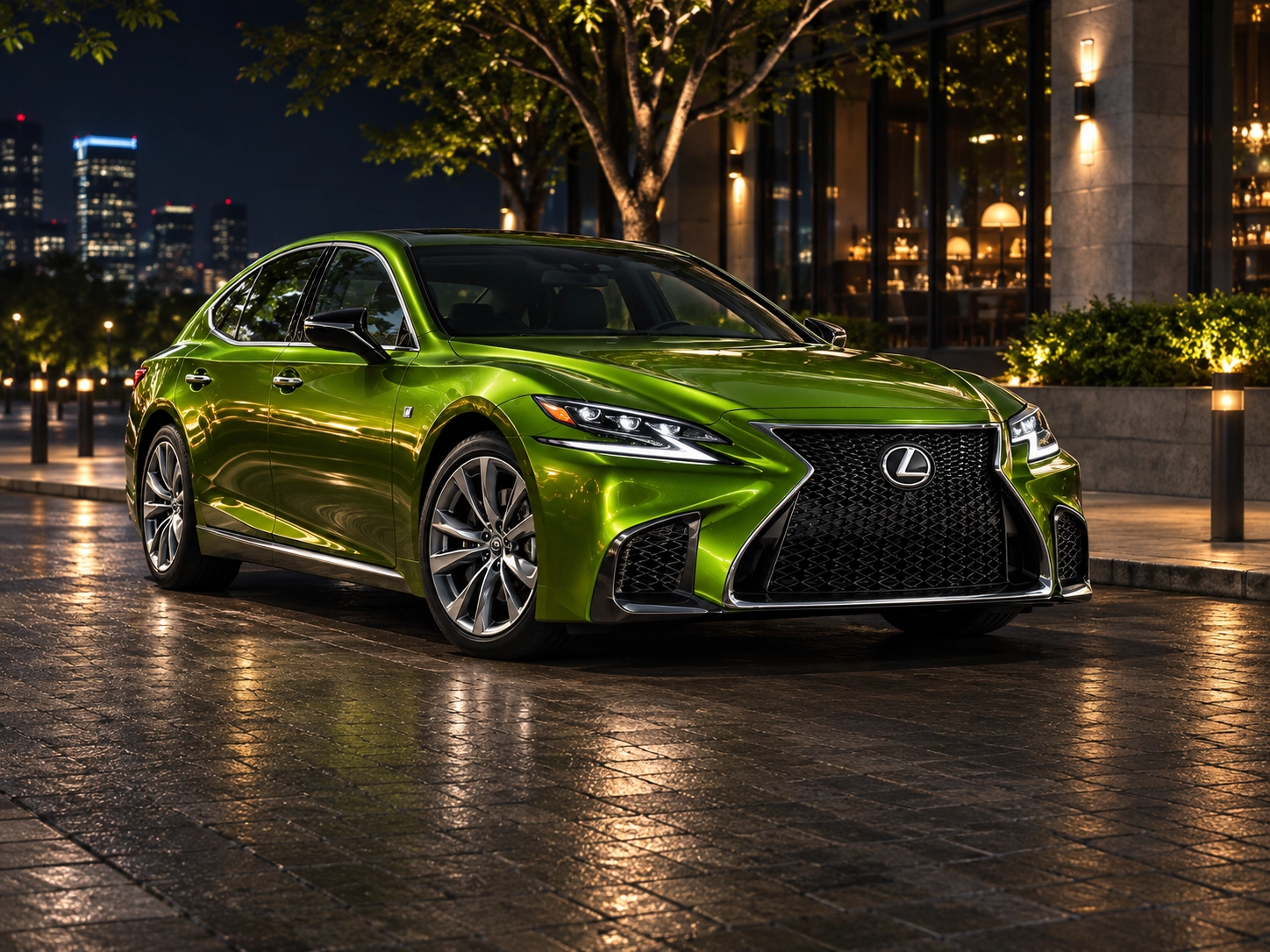
The Lexus V8 has earned a reputation for smooth performance, refined engineering and impressive mechanical durability. From luxury sedans to high-performance sports cars, Lexus has used V8 engines to deliver power without sacrificing comfort.
One of the most famous examples is the 1UZ-FE, which powered the original Lexus LS 400. This engine helped establish Lexus as a serious competitor in the luxury car market. Its engineering also influenced several generations of Toyota and Lexus V8 engines.
Over the years, Lexus introduced larger and more advanced V8 designs. These include the 3UZ-FE, 1UR-FE and high-performance 2UR-GSE. Each engine brought different characteristics to the vehicles it powered.
Today, older Lexus V8 engines remain popular among motorists, mechanics and automotive enthusiasts. However, understanding their differences is important because specifications, maintenance requirements and replacement components vary between generations.
This article explores the history of Lexus V8 engines, their specifications, common mechanical problems and reliability. It also explains how proper maintenance helps preserve these powerful engines.
How the Lexus V8 Engine Became a Legend
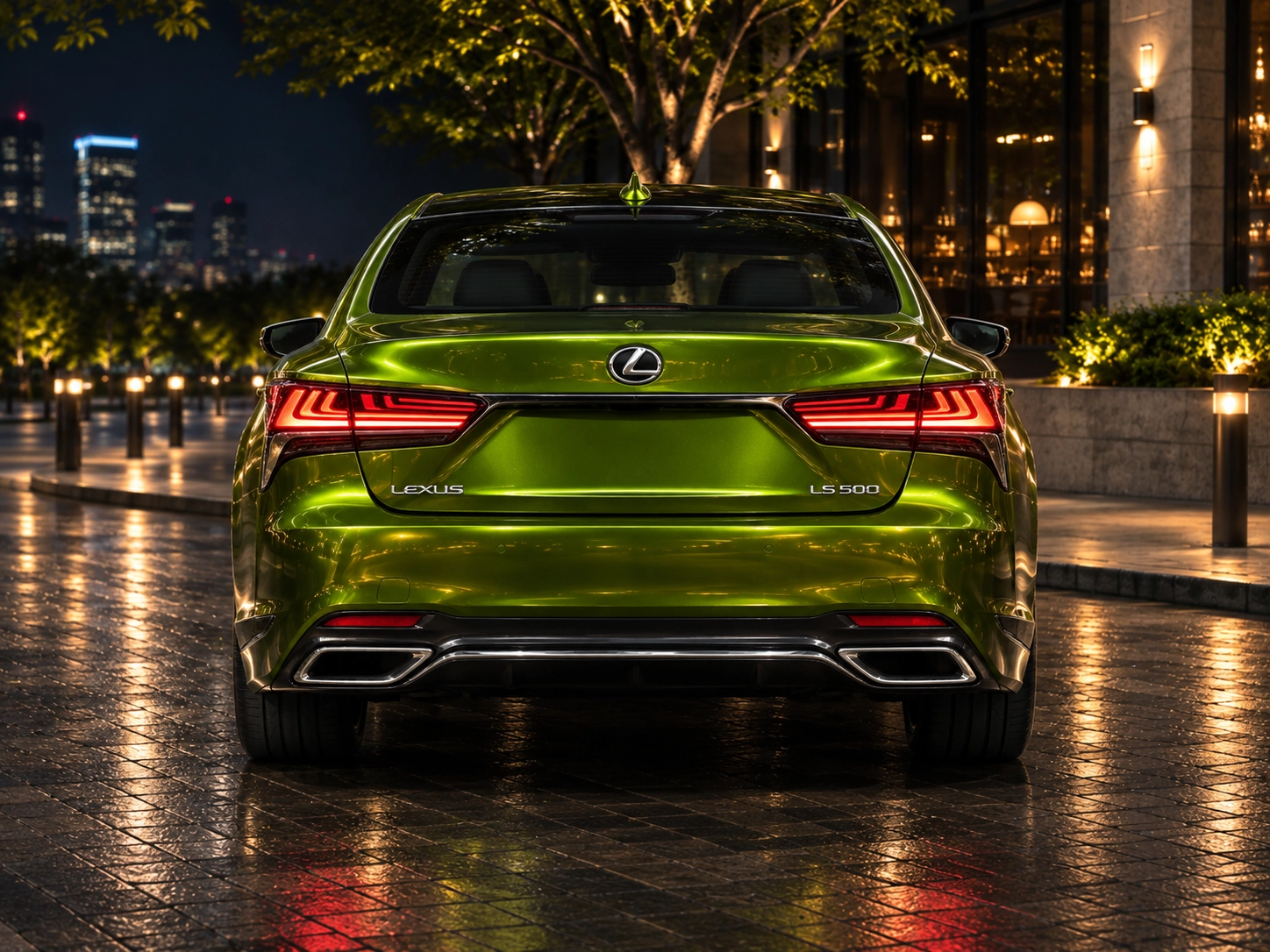
The story of the Lexus V8 began with Toyota's ambition to compete in the international luxury vehicle market. Toyota wanted to develop a premium sedan that could rival established European manufacturers. This project eventually produced the Lexus LS 400.
When Lexus launched the LS 400 in 1989, its new 4.0-litre V8 became one of the vehicle's defining features. Engineers focused on smooth power delivery, low vibration and refined operation. These qualities helped the LS 400 establish a strong reputation.
The original 1UZ-FE engine used an aluminium construction, dual overhead camshafts and 32 valves. Its design combined relatively low weight with the performance expected from a luxury V8.
Rather than focusing exclusively on maximum horsepower, Lexus prioritised smoothness, quiet operation and everyday usability. This approach became a defining characteristic of the brand's V8 engines.
What Makes a Lexus V8 Engine Different?
A V8 engine uses eight cylinders arranged in two banks of four. The banks form a V-shaped configuration around a common crankshaft. This layout allows manufacturers to package a powerful engine within a relatively compact space.
However, engine configuration alone does not determine performance or reliability. Cylinder-head design, fuel injection, materials and electronic controls also influence how an engine operates.
Lexus developed its V8 engines with particular attention to refinement. Engineers worked to reduce vibration and mechanical noise while maintaining responsive acceleration. Later generations introduced advanced valve timing, improved combustion technology and more sophisticated engine management.
Key Characteristics of Lexus V8 Engines
Although specifications differ between generations, several characteristics helped establish the Lexus V8 reputation:
Smooth power delivery: The eight-cylinder configuration provides refined acceleration and consistent engine performance.
Advanced engineering: Lexus developed lightweight components, sophisticated valve systems and precise engine management.
Strong torque characteristics: Many Lexus V8 engines provide useful pulling power across a broad operating range.
Long-term durability: Proper servicing can support extended engine life and dependable operation.
Different applications: Lexus adapted V8 technology for luxury sedans, SUVs and performance vehicles.
These characteristics explain why the Lexus V8 remains relevant to enthusiasts and owners of older luxury vehicles. However, maintenance requirements differ considerably between the various engine families.
Popular Lexus V8 Engines and Their Specifications
Lexus has used several V8 engine families since the late 1980s. Some prioritise luxury and comfort, while others focus on stronger performance or demanding SUV applications.
The UZ family helped establish the brand's reputation. Later UR-family engines introduced additional technology, larger capacities and more specialised performance characteristics.
Lexus V8 Engine Comparison
Engine Code | Capacity | Example Lexus Models | Engine Character |
|---|---|---|---|
1UZ-FE | 4.0L | LS 400, GS 400, SC 400 | Smooth luxury performance |
3UZ-FE | 4.3L | LS 430, GS 430, SC 430 | Refined power and torque |
2UZ-FE | 4.7L | GX 470, LX 470 | Strong SUV performance |
1UR-FE / 1UR-FSE | 4.6L | GX 460, LS 460 and selected GS models | Advanced luxury V8 technology |
2UR-GSE | 5.0L | IS F, GS F, RC F, LC 500 | High-revving performance |
3UR-FE | 5.7L | LX 570 | High-capacity SUV power |
These examples represent different Lexus generations and markets. Engine specifications may vary according to production year and vehicle configuration.
Owners should confirm the original engine code before ordering major components. For more information, visit the LDR Pretoria Lexus brand guide.
The Legendary Lexus 1UZ-FE 4.0L V8
The 1UZ-FE remains one of Toyota's most recognisable V8 engines. Lexus introduced it with the LS 400 in 1989, marking the beginning of a new era for the company.
This 4.0-litre engine features an aluminium block and cylinder heads, four camshafts and 32 valves. Its design helped the LS 400 deliver refined acceleration with low levels of vibration.
The 1UZ-FE also appeared in other Lexus models, including the SC 400 and GS 400. Later versions introduced improvements such as variable valve timing.
Its combination of engineering quality and mechanical durability earned the engine a loyal following. Many enthusiasts continue to appreciate its smooth performance and distinctive V8 character.
However, age remains an important consideration. Older 1UZ-FE engines may require attention to their timing belts, cooling systems, seals and ignition components.
The Lexus 3UZ-FE 4.3L V8: More Capacity and Refinement
The 3UZ-FE followed the earlier UZ-family designs and introduced a larger 4.3-litre capacity. Lexus used this engine in luxury models such as the LS 430, GS 430 and SC 430.
The additional displacement helped deliver stronger torque while retaining the smooth character expected from a Lexus sedan. The engine also used electronic fuel injection and variable valve timing technology.
Like the earlier 1UZ-FE, the 3UZ-FE uses a timing belt. Its maintenance requirements therefore differ from those of later chain-driven Lexus V8 engines.
Although the 3UZ-FE shares its broader architecture with other UZ engines, not every component is interchangeable. Engine management, supporting parts and vehicle-specific connections may differ.
The 2UZ-FE 4.7L V8: Built for Larger Lexus SUVs
While the 1UZ-FE and 3UZ-FE became associated with luxury passenger cars, the 2UZ-FE served a different purpose. Toyota developed this 4.7-litre V8 for larger vehicles requiring substantial torque and durability.
Lexus used the engine in models such as the GX 470 and LX 470. These vehicles required dependable performance for their size, weight and intended use.
Unlike the aluminium-block 1UZ-FE, the 2UZ-FE features a cast-iron engine block. This construction reflects the engine's emphasis on strength and demanding vehicle applications.
The 2UZ-FE also uses a timing belt, making scheduled timing-system maintenance important. As the engine ages, owners should monitor cooling-system condition, lubrication and general mechanical wear.
The Lexus 4.6L V8: A New Generation of Engine Technology
Lexus introduced more advanced V8 technology with the 4.6-litre UR engine family. These engines powered models such as the LS 460 and GX 460, although the exact variants differed.
The LS 460 used the 1UR-FSE in several markets. This engine combined direct and port fuel injection with advanced valve-timing technology. Lexus developed these systems to improve power delivery, efficiency and refinement.
The GX 460 used the related 1UR-FE engine. Its configuration suited the different requirements of a luxury SUV.
Unlike the older UZ-family engines, the 4.6-litre UR engines use timing chains. However, this does not eliminate the need to inspect timing-related components when symptoms appear.
The newer engine technology also means electronic controls and fuel-system compatibility play important roles during major repairs.
The Lexus 5.0L V8: Performance Without a Turbocharger
The 2UR-GSE represents a more performance-focused side of Lexus engineering. This naturally aspirated 5.0-litre V8 has powered models such as the IS F, GS F, RC F and LC 500.
Unlike smaller engines that rely on turbocharging, the 2UR-GSE produces its performance through displacement, engine breathing and high-revving operation. Lexus also designed it to deliver a distinctive exhaust note.
The LC 500 became particularly well known for combining this engine with grand-touring comfort. Its naturally aspirated V8 offers responsive power delivery and a character that differs from turbocharged alternatives.
However, high-performance engines require careful maintenance. Correct lubrication, cooling-system condition and engine-specific service requirements remain essential.
The 2UR-GSE also uses timing chains rather than the timing belts found in earlier UZ-family engines.
Why Are Lexus V8 Engines Known for Reliability?
The Lexus V8 reputation developed through decades of engineering improvements and a strong focus on refinement. From the original LS 400, Toyota invested considerable effort in reducing mechanical noise, vibration and friction.
Engine durability also depends on manufacturing quality and appropriate materials. Lexus has used carefully designed engine components, advanced lubrication systems and precise electronic controls across different generations.
However, reliability does not mean every Lexus V8 will operate indefinitely without problems. Even well-engineered engines can experience wear after years of use.
Maintenance history often matters more than reputation alone. An engine with regular servicing may remain in better condition than one with lower mileage but neglected maintenance.
Owners should therefore focus on the actual mechanical condition of their vehicles rather than assuming a Lexus badge guarantees trouble-free operation.
Common Lexus V8 Engine Problems
Different Lexus V8 engines have different maintenance requirements and potential weaknesses. Nevertheless, several mechanical problems deserve attention as these vehicles age.
Cooling-System Leaks and Overheating
Cooling-system problems can affect Lexus V8 engines after years of operation. Water pumps, radiators, hoses and seals may deteriorate through age and repeated exposure to heat.
Owners may notice coolant loss, unusual temperature readings or visible leaks. These symptoms require investigation because overheating can damage cylinder-head gaskets and internal engine components.
A qualified mechanic should inspect the cooling system and identify the cause before the vehicle returns to normal operation.
Oil Leaks and Ageing Engine Seals
Older Lexus V8 engines can develop oil leaks as sealing components deteriorate. Valve-cover gaskets and other engine seals may eventually lose their ability to prevent fluid loss.
Owners may notice oil residue around the engine or stains beneath the vehicle. Although some leaks involve relatively simple repairs, continued oil loss can reduce lubrication.
A mechanic should identify the leaking component and determine whether a gasket, seal or another part requires replacement.
Timing-Belt and Timing-Chain Concerns
Timing-system maintenance differs between Lexus V8 generations. The 1UZ-FE, 2UZ-FE and 3UZ-FE use timing belts, while the later UR-family engines use timing chains.
Timing belts require replacement according to the applicable service schedule. Chains can also experience wear, particularly in their tensioners, guides and related components.
Owners should investigate unusual timing-related noises or engine fault codes. Correct diagnosis helps prevent more serious mechanical problems.
Ignition and Fuel-System Problems
Ignition components can deteriorate as vehicles accumulate mileage. Worn spark plugs or faulty ignition coils may cause rough idling, misfires or reduced performance.
Fuel-system problems can produce similar symptoms. However, fuel-injection technology differs significantly between older UZ engines and newer UR engines.
Mechanics should use the correct diagnostic procedures for the specific engine code. Replacing components without identifying the cause can create unnecessary expenses.
Age-Related Mechanical Wear
Even when a Lexus V8 remains mechanically sound, its supporting components can deteriorate. Rubber hoses, engine mounts, electrical connectors and cooling components may require attention.
These faults do not always indicate internal engine damage. However, neglect can eventually affect performance and reliability.
Regular inspections help identify problems before they become more expensive to repair.
Essential Lexus V8 Engine Maintenance
Proper maintenance remains one of the most important factors affecting the lifespan of a Lexus V8. Each engine family has specific servicing requirements, but several areas deserve consistent attention.
Owners should follow the maintenance schedule for their vehicle's model year and engine code. Older vehicles may also require additional inspections when service records are incomplete.
Important Lexus V8 Maintenance Areas
A comprehensive service should consider the following components:
Engine oil and filters: Use the correct specification and follow the recommended service schedule.
Cooling system: Inspect the radiator, water pump, coolant hoses and thermostat for deterioration.
Timing system: Follow timing-belt replacement schedules or investigate timing-chain symptoms where applicable.
Ignition system: Check spark plugs, coils and related components when performance changes.
Engine seals: Monitor oil leaks and investigate unusual fluid consumption.
Fuel system: Maintain the correct components for the engine's injection technology.
These inspections can help identify developing problems, but they do not replace the manufacturer's complete service requirements.
Lexus V8 Maintenance Warning Signs
Some symptoms require more urgent attention than others. A minor oil seep may allow time for a scheduled inspection, while overheating or serious mechanical noise can require immediate action.
Common Warning Signs and Possible Causes
Warning Sign | Possible Cause | Recommended Action |
|---|---|---|
Rising engine temperature | Coolant leak or cooling-system fault | Stop safely and arrange an inspection. |
Oil stains beneath the vehicle | Damaged gasket or seal | Identify the leak and check oil levels. |
Rough idling | Ignition or fuel-system fault | Arrange engine diagnostics. |
Timing-related rattling | Possible timing-system wear | Have the engine assessed promptly. |
Reduced performance | Fuel, ignition or mechanical problem | Investigate the cause before replacing parts. |
Unusual exhaust smoke | Oil consumption or combustion problem | Arrange a mechanical inspection. |
This table provides general guidance rather than a complete diagnosis. Different mechanical faults can produce similar symptoms. A qualified mechanic should confirm the cause before recommending repairs.
Does a Lexus V8 Use a Timing Belt or Timing Chain?
One important difference between Lexus V8 generations involves the timing system. The original UZ-family engines generally use timing belts, while the later UR-family engines use timing chains.
The 1UZ-FE, 2UZ-FE and 3UZ-FE require timing-belt maintenance according to the relevant service schedule. Owners should also consider the condition of associated components, including tensioners and pulleys.
The 1UR-FE, 1UR-FSE and 2UR-GSE use timing chains. Although chains are designed for extended service, they can still develop wear.
Owners should never assume that every Lexus V8 has identical maintenance requirements. Confirming the exact engine code helps identify the correct service procedures.
How Long Can a Lexus V8 Engine Last?
There is no fixed lifespan for every Lexus V8 engine. Its longevity depends on maintenance history, operating conditions, engine design and mechanical wear.
Some well-maintained Lexus V8 engines remain operational for many years. However, neglected servicing can shorten engine life, regardless of the manufacturer's reputation.
Lubrication and cooling-system condition play major roles in long-term reliability. Low oil levels can increase internal wear, while unresolved overheating may cause significant mechanical damage.
Owners should also monitor unusual engine sounds, changes in fuel consumption and declining performance. These symptoms may indicate developing problems that require attention.
Ultimately, a professional assessment provides more useful information about engine health than mileage alone.
What Makes the Lexus V8 Popular in South Africa?
Lexus V8 engines attract interest from South African luxury-car owners, mechanics and automotive enthusiasts. Their smooth power delivery and distinctive engineering make them appealing across several generations of Lexus vehicles.
The UZ-family engines remain particularly recognisable. Their association with luxury Lexus sedans and established Toyota engineering has helped maintain interest in these older powertrains.
However, owning an older Lexus V8 also brings practical responsibilities. Electronic systems, cooling components and engine-specific parts may differ between vehicles.
Professional servicing and accurate component identification can help owners preserve the driving characteristics that made these engines popular.
Why Correct Lexus V8 Engine Identification Matters
Not every Lexus V8 engine is interchangeable. Engines with similar capacities may use different electronic systems, mounting arrangements and transmission connections.
For example, the 4.0-litre 1UZ-FE and 4.3-litre 3UZ-FE belong to the same broader family, but their specifications differ. The newer 4.6-litre UR engines use another architecture.
Before sourcing major components, owners and workshops should confirm:
The original engine code and capacity.
The vehicle model and production year.
The engine's fuel-injection and electronic-control configuration.
The transmission and drivetrain specifications.
The compatibility of engine mounts, wiring and accessories.
These details help reduce ordering mistakes and unnecessary mechanical complications.
For additional information about Lexus engines and fitment requirements, explore the LDR Pretoria Lexus brand guide.
When Does a Lexus V8 Need Major Engine Repairs?
Not every performance problem requires a complete engine rebuild. Ignition faults, coolant leaks and external oil leaks may involve individual components. A qualified mechanic should investigate these systems before recommending major repairs.
However, extensive internal wear can create more complicated problems. Severe overheating, low compression and significant bearing damage may require substantial mechanical work.
In these situations, the workshop should assess the engine's condition and compare available repair options. A rebuild may be practical when important components remain suitable for repair.
When extensive damage makes rebuilding uneconomical, a compatible replacement engine may offer another solution. The correct decision depends on mechanical condition, available components and overall cost.
How LDR Pretoria Supports Lexus V8 Owners
Major mechanical problems can create challenges for owners of older Lexus vehicles. Finding suitable replacement components often requires accurate engine identification and careful compatibility checks.
LDR Engines Pretoria supplies imported replacement engines and gearboxes for selected Lexus applications. The company assists private vehicle owners, mechanics and workshops with engine-code enquiries and stock information.
Customers looking for Lexus V8 replacement engines should provide their vehicle model, production year and original engine code. These details help the team assess compatibility and possible availability.
LDR Pretoria lists selected Lexus engine variants and offers nationwide delivery arrangements across South Africa. However, customers must confirm current stock before making purchase arrangements.
Browse the LDR Pretoria engine catalogue or contact LDR Engines Pretoria for additional Lexus engine information.
Lexus V8 Frequently Asked Questions
What is the most famous Lexus V8 engine?
The 1UZ-FE is one of the most recognisable Lexus V8 engines. Lexus introduced this 4.0-litre engine in the original LS 400 in 1989.
Which Lexus models have V8 engines?
Selected Lexus LS, GS, SC, GX, LX, IS F, RC F and LC models have used V8 engines. The exact engine depends on the model and production year.
Is the Lexus V8 reliable?
Many Lexus V8 engines have strong reputations for durability. However, long-term reliability depends on maintenance history, operating conditions and mechanical condition.
What is the difference between the 1UZ-FE and 3UZ-FE?
The 1UZ-FE is a 4.0-litre V8, while the 3UZ-FE has a larger 4.3-litre capacity. Both belong to Toyota's UZ engine family.
Does the Lexus V8 use a timing belt or chain?
The 1UZ-FE, 2UZ-FE and 3UZ-FE use timing belts. Later UR-family engines, including the 1UR-FE and 2UR-GSE, use timing chains.
What Lexus has a 5.0L V8 engine?
The Lexus IS F, GS F, RC F and LC 500 have used the naturally aspirated 5.0-litre 2UR-GSE V8 engine.
What are common Lexus V8 problems?
Potential problems include oil leaks, cooling-system faults, ignition issues and timing-system wear. Common concerns differ between engine generations.
How long can a Lexus V8 engine last?
Engine life depends on maintenance, mileage, operating conditions and previous repairs. Proper servicing can support long-term reliability.
Are Lexus V8 engines available in South Africa?
Specialist suppliers may stock imported Lexus V8 replacement engines. Availability depends on the exact engine code and current stock.
Final Thoughts: The Lasting Legacy of Lexus V8 Engines
The Lexus V8 remains an important part of Toyota's engineering history. From the original 1UZ-FE to the high-performance 2UR-GSE, these engines demonstrate different approaches to luxury, performance and mechanical refinement.
Their reputation comes from thoughtful engineering, smooth power delivery and the potential for long service life. However, owners must still maintain their vehicles correctly and respond to mechanical warning signs.
Understanding the differences between Lexus V8 generations helps owners identify suitable components and servicing requirements. Accurate engine-code matching also becomes essential during major repairs.
For more information about Lexus engines, visit the LDR Pretoria Lexus brand guide. You can also explore available replacement engines or contact LDR Engines Pretoria for assistance.